Quick Verdict
Pick Guilin for Li River cruises, Yangshuo bamboo rafts, and Yulong River cycling loops. Pick Zhangjiajie if Avatar floating mountains, the 430m glass bridge, and Tianmen's 999-step Heaven's Gate win.
🏆 Zhangjiajie wins 75 OVR vs 74 · attribute matchup 1–8

Zhangjiajie
China
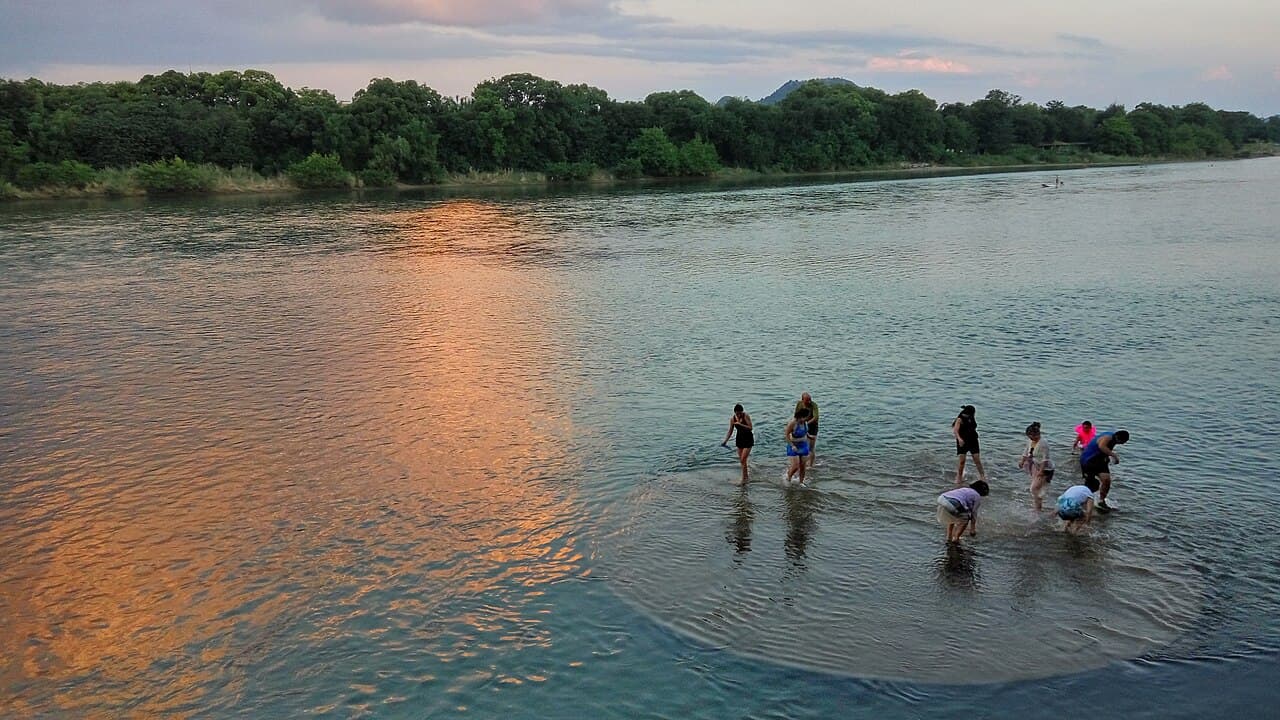
Guilin
China
Zhangjiajie
Guilin
How do Zhangjiajie and Guilin compare?
Two of China's most photographed natural landscapes, and travelers often debate which to fit into a single trip. Guilin is the karst-river city of Guangxi — the Li River cruise to Yangshuo passing the limestone peaks on China's 20-yuan note, Reed Flute Cave, Elephant Trunk Hill, Yangshuo's bamboo-raft section from Yangdi to Xingping, the Yulong River cycling loop, and Longji rice terraces two hours north. Zhangjiajie is Hunan's quartz-sandstone pillar forest — the Avatar floating mountains in Zhangjiajie National Forest Park, Tianzi Mountain's spires, the world's longest glass bridge (430m) over Grand Canyon, Tianmen Mountain's glass skywalk and 999-step Heaven's Gate stairway, and the Bailong Elevator climbing 326m up a cliff face.
Mid-range budgets land at $95 a day in Guilin against $140 in Zhangjiajie, with the gap mostly in park entry economics — Zhangjiajie National Forest's 4-day pass runs ¥225 plus separate Tianmen ¥258, while Guilin's headline experiences (Li River cruise, Yangshuo cycling) come in cheaper per day. Guilin wins on water — the Li River cruise is a calm 4-hour float, and Yangshuo's village pace rewards a long stay. Zhangjiajie wins on pure visual drama — the quartz pillars are unlike anything else on earth and inspired the Hallelujah Mountains in Avatar. The flip side: Zhangjiajie is far more crowded at the famous viewpoints (Yuanjiajie, Tianzi) and the English-friendliness drops to nearly zero outside the park gates.
Both peak April–May and September–November to dodge summer humidity and winter cold. There's no direct flight; the connection is a 1-hour internal hop from KWL to DYG on China Southern, $80–$140. Pro tip: at Zhangjiajie, buy the 4-day park pass and split the days — Yuanjiajie (Avatar mountains) on day one, Tianzi Mountain on day two, then Tianmen Mountain on a separate ticket via the cable car from town. Doing it all in two days is exhausting and you'll skip half the best viewpoints. Pick Guilin for the Li River, calmer pace, and a karst-water landscape. Pick Zhangjiajie for sandstone pillar drama, glass bridges, and the most cinematic landscape in China.
💰 Budget
🛡️ Safety
Zhangjiajie
Zhangjiajie is generally very safe for tourists. China has low violent crime rates and the park is well-managed with clear trails and safety barriers. The main risks are altitude-related fatigue, slippery wet trails, and the physical demands of extensive stair climbing. Scams targeting tourists (overpriced taxis, unofficial guides) are the most common issue.
Guilin
Guilin and Yangshuo are very safe destinations for tourists — violent crime is extremely rare in China, the local police presence is high, and the city is well-organized. The main risks are tourist scams (overpriced taxi tours, fake products, "tea ceremony" scams targeted at solo travellers), road accidents on bicycle and scooter rentals, and altitude/heat-related issues at the rice terraces in summer.
🌤️ Weather
Zhangjiajie
Zhangjiajie has a humid subtropical climate with four distinct seasons. Mist and fog are common throughout the year, especially in the mornings, and are part of the landscape's ethereal beauty. Summer is hot and humid with frequent rain; winter is cold and damp. Spring and autumn offer the most comfortable conditions.
Guilin
Guilin has a humid subtropical climate — hot, humid summers (May-September), mild damp winters (December-February), and pleasant transitional seasons. The misty conditions that produce the iconic karst photographs are most common in March-May (spring fog) and after rainfall. Year-round destination but spring (April-May) and autumn (September-November) are optimal.
🚇 Getting Around
Zhangjiajie
Getting around Zhangjiajie involves a combination of park shuttle buses, cable cars, elevators, and walking trails. The park areas are spread out, and the city is separate from the park entrance at Wulingyuan. Within the park, free shuttle buses and paid cable cars/elevators connect the various scenic areas.
Walkability: Within the park, extensive well-maintained trail networks connect viewpoints, though they involve significant stair climbing (some routes have 3,000+ steps). The park is enormous — plan 2-3 full days minimum to see the highlights without rushing. Zhangjiajie city center is moderately walkable.
Guilin
Guilin has a city bus network and Didi (Chinese ride-hailing app, equivalent to Uber). Yangshuo is small and best explored by bicycle or electric scooter. High-speed rail connects Guilin to Beijing, Shanghai, Hong Kong, and Guangzhou; the Guilin North railway station is 12 km from city centre. The Li River cruise from Guilin to Yangshuo is itself the main inter-city transport for tourists.
Walkability: Yangshuo town is highly walkable — West Street, the Li River pier, and most accommodation are within 10 minutes on foot. Guilin city centre (Elephant Trunk Hill, Two Rivers Four Lakes scenic area) is walkable but the city is sprawling and reaching outlying attractions like Reed Flute Cave requires transport.
📅 Best Time to Visit
Zhangjiajie
Apr–May, Sep–Oct
Peak travel window
Guilin
Apr–May, Sep–Nov
Peak travel window
The Verdict
Choose Zhangjiajie if...
you want Avatar's floating mountains — Zhangjiajie National Forest's quartz-sandstone pillars, Tianmen Mountain glass skywalk, and the world's longest glass bridge
Choose Guilin if...
you want China's most photographed karst landscape — the Li River cruise, ancient cormorant fishing, the Longji rice terraces, and a more relaxed pace than the megacities
Zhangjiajie
You might also compare
ZhangjiajievsGuilin
Try another