Quick Verdict
Pick Tucson if Saguaro National Park sunrises, El Charro chimichangas, and Mission San Xavier sunsets beat trail crowds. Pick Zion National Park National Park if Angel's Landing chains, the Narrows river hike, and Court of the Patriarchs justify $310 rooms.
🏆 Zion National Park wins 71 OVR vs 66 · attribute matchup 5–4

Tucson
United States
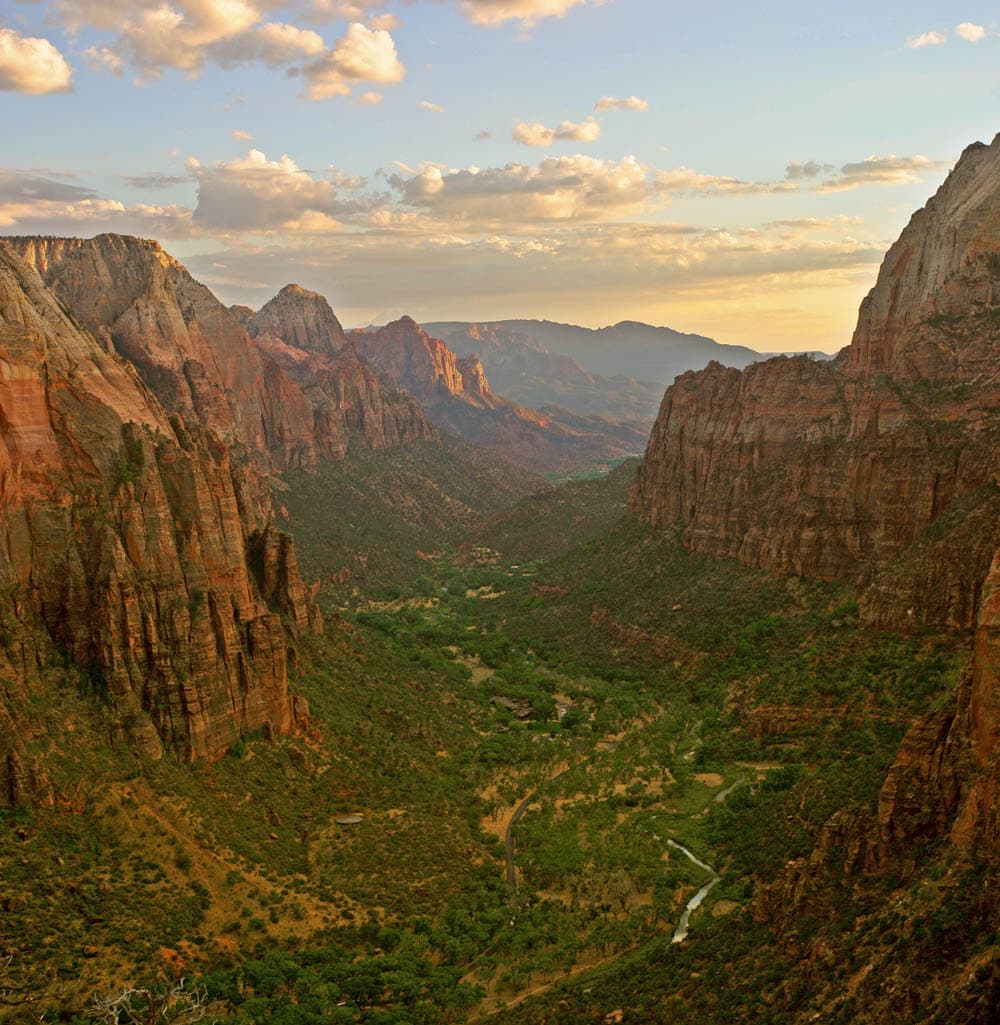
Zion National Park
United States
Tucson
Zion National Park
How do Tucson and Zion National Park compare?
$175 mid-range in Tucson versus $310 in Zion — and the trips solve different parts of the Southwest puzzle. Tucson is Sonoran-desert urban: Saguaro National Park East and West sandwiching the city, the Desert Museum's hummingbird aviary, Mission San Xavier del Bac glowing white at sunset, and the best Sonoran-Mexican food in the US (chimichangas were invented at El Charro). Zion is red-rock vertical: Angel's Landing's chain-supported ridge climb (permit required since 2022), the Narrows hike up the Virgin River through 1,000-foot slot walls, and the Court of the Patriarchs at golden hour.
Walkability splits weirdly — Tucson is a 2/5 car-required city; Zion is a 3/5 because the in-park shuttle (mandatory most of the year) is genuinely good and runs from Springdale to the trailheads every 5-7 minutes. Best months: Tucson is March-April and October-November (summer is 105°F); Zion is March-May and September-November (summer is 100°F at the canyon floor). Food is the obvious gap — Tucson holds UNESCO Gastronomy status while Zion's options are Springdale's casual lineup (King's Landing for the splurge, Oscar's Cafe for the breakfast burrito).
Pro tip: combine these as one Arizona-Utah loop — Tucson, Sedona, Grand Canyon, Bryce, Zion, finishing in Vegas (12-hour drive total over 7 days). Springdale lodging at Zion is essentially a queue — book six months ahead. Pick Tucson for the Sonoran-desert food capital. Pick Zion for Angel's Landing and the Narrows when red-rock vertical is the entire point.
💰 Budget
🛡️ Safety
Tucson
Tucson's overall crime rate is higher than the US average, mainly driven by property crime (vehicle break-ins) in tourist-frequented areas; violent crime is concentrated in specific south and west-side neighborhoods that tourists rarely visit. Downtown, the U of A area, the foothills (Catalina, Sabino, Ventana), the resort corridors, and Oro Valley are safe day and night with normal precautions. Areas to skip after dark: south of 22nd Street (the South Park and Sunnyside neighborhoods), parts of South Park, and the Drexel Heights/Flowing Wells corridors west of I-10. The bigger risks are environmental — desert heat (heat exhaustion, dehydration), summer monsoon flooding, rattlesnakes, and Africanized bees.
Zion National Park
Crime at Zion is a non-issue — the real hazards are natural and they kill people every year. Flash floods, falls from Angels Landing, heat illness, hypothermia in the Narrows, and dehydration are the big five. The single most important pre-hike habit: check the NPS flash flood forecast at the visitor center or nps.gov/zion before ANY slot canyon or Narrows trip. "Probable" or "Expected" risk means do not enter — a storm 10 miles upstream can kill you even in bright sunshine at the trailhead.
🌤️ Weather
Tucson
Tucson has a hot semi-arid desert climate — extremely hot summers (40°C+ daytime), pleasant warm winters (18–22°C daytime), and 350+ sunny days a year. The summer monsoon (July–September) brings dramatic afternoon thunderstorms, brief flooding, and the only humidity Tucson sees. Spring and fall are short transition seasons. Avoid June (the hottest, driest, dustiest month before the monsoon).
Zion National Park
Zion's desert climate is defined by vertical relief — the canyon floor sits at 4,000 feet while the rims reach 6,500+ feet, meaning conditions can differ by 5-10°C between stops on the same hike. Summer is brutally hot on exposed trails (35-40°C) with dangerous afternoon monsoon thunderstorms and flash flood potential in slot canyons. Winter brings ice on Angels Landing and snow on the rims, with the canyon floor hovering between 0-15°C. Spring and fall are the ideal windows. The Virgin River stays a bracing 10-15°C year-round — plan Narrows gear accordingly.
🚇 Getting Around
Tucson
Tucson is built for cars — the metro is sprawling, distances between attractions are large (downtown to Saguaro NP East: 25 minutes; to Saguaro NP West: 30 minutes; to Mt Lemmon summit: 90 minutes), and public transit is limited outside the central core. Renting a car is essentially required unless you plan to stay only at a downtown or U of A area hotel. The Sun Link streetcar connects 4th Avenue, downtown, and U of A; everything else needs a car.
Walkability: Tucson scores poorly on walkability city-wide (the metro is built around cars and 6-lane arterial roads), but the downtown/4th Ave/U of A corridor is genuinely walkable and connected by the Sun Link streetcar. Expect to drive everywhere outside that 3-mile corridor.
Zion National Park
Zion's transportation story is simple: the free park shuttle is MANDATORY on the Zion Canyon Scenic Drive April through late November — no private vehicles past Canyon Junction. The shuttle runs a 9-stop loop roughly every 10-15 minutes, takes about 45 minutes end-to-end, and stops at every major trailhead and viewpoint. Springdale (the gateway town) has its own free town shuttle connecting lodges, restaurants, and the park entrance. A private car is only useful on the main drive December through early March, for reaching Kolob Canyons (30 miles northwest, separate entrance), or for the Zion-Mt. Carmel Highway. There is no rideshare service inside the park.
Walkability: Springdale itself is extremely walkable — a linear town strung along Highway 9 with restaurants, outfitters, and lodges all within a mile of each other. Inside the park the shuttle handles the vertical distances; hiking trails are a mix of paved strolls (Riverside Walk, Pa'rus) and serious climbs (Angels Landing, Observation Point). Kolob Canyons has its own scenic drive and short trailheads but is not pedestrian-connected to the main canyon.
📅 Best Time to Visit
Tucson
Mar–Apr, Oct–Nov
Peak travel window
Zion National Park
Mar–May, Sep–Nov
Peak travel window
The Verdict
Choose Tucson if...
You want desert hiking and saguaro cactus scenery paired with the best Sonoran-Mexican food in the US, in a small university city with mild winters.
Choose Zion National Park if...
you want red-rock slot canyons, Angels Landing's permit-lottery ridge, and the Narrows waded up the Virgin River
Zion National Park
You might also compare
TucsonvsZion National Park
Try another