Quick Verdict
Pick San Sebastián for Parte Vieja Michelin-density pintxos, La Concha beach mornings, and Monte Igueldo funicular views. Pick Seville if Real Alcázar Mudéjar courtyards, Triana flamenco at Casa de la Memoria, and orange-blossom April streets win.
🏆 Seville wins 79 OVR vs 76 · attribute matchup 3–5

Seville
Spain
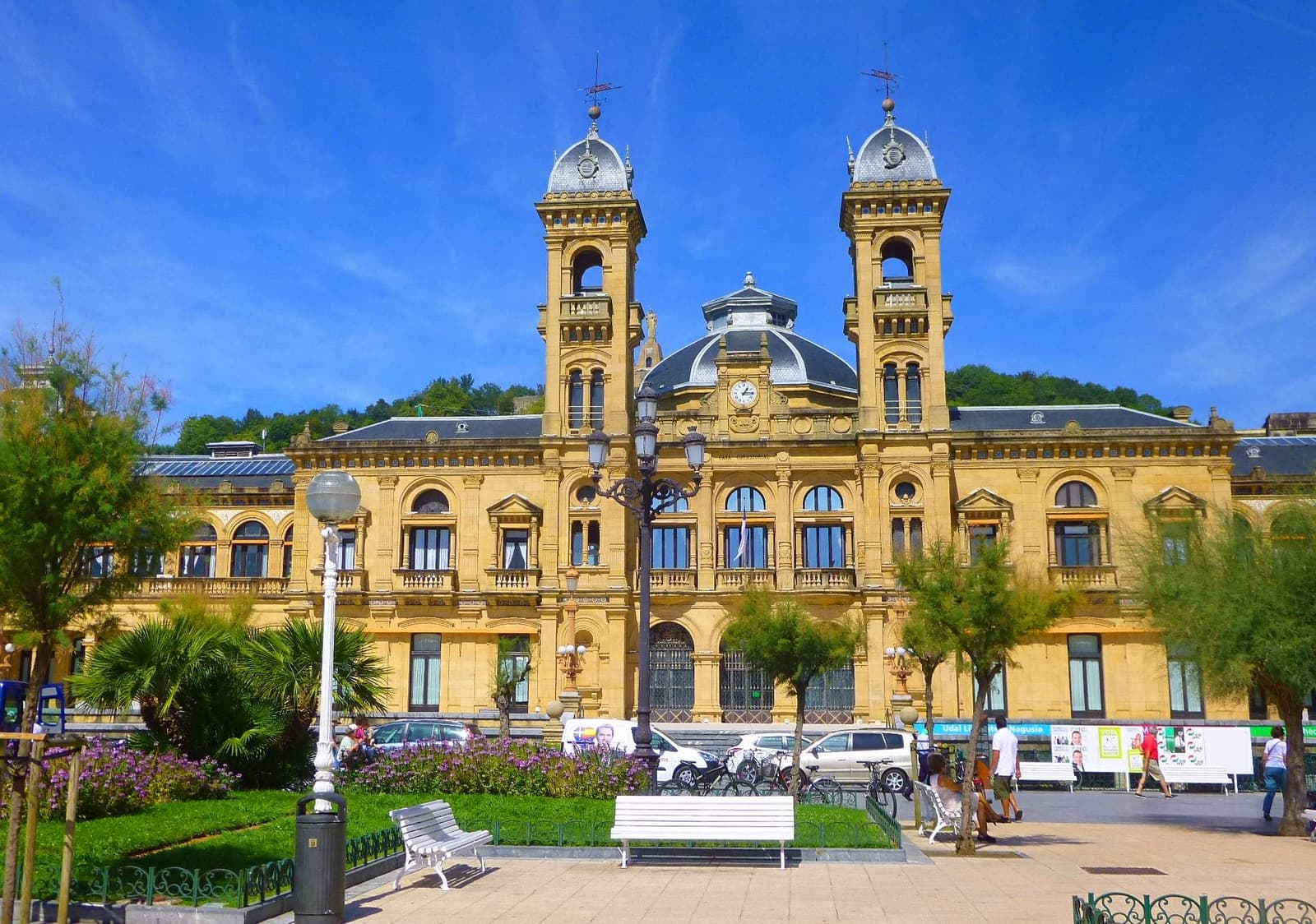
San Sebastián
Spain
Seville
San Sebastián
How do Seville and San Sebastián compare?
Basque cool against Andalucían heat — opposite ends of Spain in temperament, climate, and palate. San Sebastián is the compact Atlantic-Basque crescent: La Concha beach as one of Europe's finest urban beaches, the Old Town (Parte Vieja) holding the highest density of Michelin stars per capita on Earth (think Arzak, Mugaritz, Akelarre on the outskirts), and Monte Igueldo's century-old funicular up to the bay overlook. Seville is the inland Andalucían capital — the Real Alcázar's Mudéjar courtyards (Game of Thrones' Dorne), the world's largest Gothic cathedral with the Giralda tower, Plaza de España's tiled bridges, and Triana's flamenco bars across the Guadalquivir.
Seville is meaningfully cheaper — San Sebastián $60 hostel / $150 mid / $400 luxe, Seville $42 / $105 / $280. Safety is comfortable in both — San Sebastián 85, Seville 80 — with no real concerns beyond standard tourist-area awareness. San Sebastián wins on food at the high end (the highest concentration of fine dining per square kilometre in the world), beach quality, and the cool wet-Atlantic-Basque summer that's a 15°C relief from Andalucía in August. Seville wins on atmosphere (orange-blossom streets in March and April), architectural drama, flamenco authenticity at venues like Casa de la Memoria, and tapas-culture value that simply doesn't exist up north.
San Sebastián is a tight late-June-through-September window; Seville is March-April-October-November only — both for weather reasons but in opposite directions. Pro tip: don't try to combine them in one trip without flying — there's no direct train, and the road route is 9 hours; fly Bilbao–Seville on Vueling for around €70 and the connection is painless. In San Sebastián, stand at the pintxos bar and never sit down; sitting triples the bill. Pick San Sebastián for high-end food and the cool Atlantic. Pick Seville for flamenco, Mudéjar architecture, and the heart of Andalucía.
💰 Budget
🛡️ Safety
Seville
Seville is generally safe but has higher pickpocketing rates than many European cities. Tourist-heavy areas like the Cathedral, Plaza de Espana, and the Santa Cruz quarter are hotspots. Bag snatching from scooters also occurs.
San Sebastián
San Sebastián is one of the safest cities in Spain. Violent crime is very rare, and the city has a relaxed, walkable atmosphere even late at night. The main risks are minor — petty theft in crowded pintxos bars and ocean safety at the surf beach.
🌤️ Weather
Seville
Seville has a Mediterranean climate with scorching summers and mild winters. The city is famous for extreme summer heat, making spring and autumn the ideal seasons to visit. Winter is mild and pleasant with occasional rain.
San Sebastián
San Sebastián has an oceanic climate — milder and wetter than the Mediterranean coast. Summers are warm but rarely scorching, winters are cool but mild. Rain is frequent year-round, especially in autumn and spring. The Basque coast is greener than southern Spain for a reason.
🚇 Getting Around
Seville
Seville's old town is compact and best explored on foot. The city has a single metro line, an extensive bus network, a tram, and an excellent public bike-sharing system (Sevici). The historic center is largely pedestrianized.
Walkability: Seville's centro historico is very walkable and largely flat. The main sights are clustered within a 20-minute walk of each other. The pedestrianized streets around the Cathedral and Santa Cruz are delightful. Summer heat is the main obstacle to walking.
San Sebastián
San Sebastián is wonderfully compact and best explored on foot. The entire city from Monte Igueldo to Zurriola beach is walkable within 40 minutes. Local buses cover the wider metropolitan area, and the historic funicular climbs Monte Igueldo.
Walkability: San Sebastián is one of Spain's most walkable cities. The entire center — from the old town to Gros, La Concha to Monte Urgull — is flat and pedestrian-friendly. The elegant waterfront promenade is a joy to walk day or night. Only Monte Igueldo requires a climb (or funicular).
📅 Best Time to Visit
Seville
Mar–May, Oct–Nov
Peak travel window
San Sebastián
Jun–Sep
Peak travel window
The Verdict
Choose Seville if...
you want flamenco in Triana, Real Alcázar Moorish courtyards, tapas crawls, Semana Santa processions, and Andalusian orange blossoms
Choose San Sebastián if...
you want Europe's best pintxos, a world-class beach, Michelin-starred dining, and Basque culture
Seville
San Sebastián
You might also compare
SevillevsSan Sebastián
Try another