Serengeti National Park vs Kruger National Park
Which destination is right for your next trip?
Quick Verdict
Pick Kruger National Park if self-drive lions on the H4-1 and SANParks chalet braai pits suit you. Pick Serengeti National Park for Mara River wildebeest crossings and Singita guides who've worked these plains 20 years.
🏆 Kruger National Park wins 75 OVR vs 66 · attribute matchup 0–6

Serengeti National Park
Tanzania
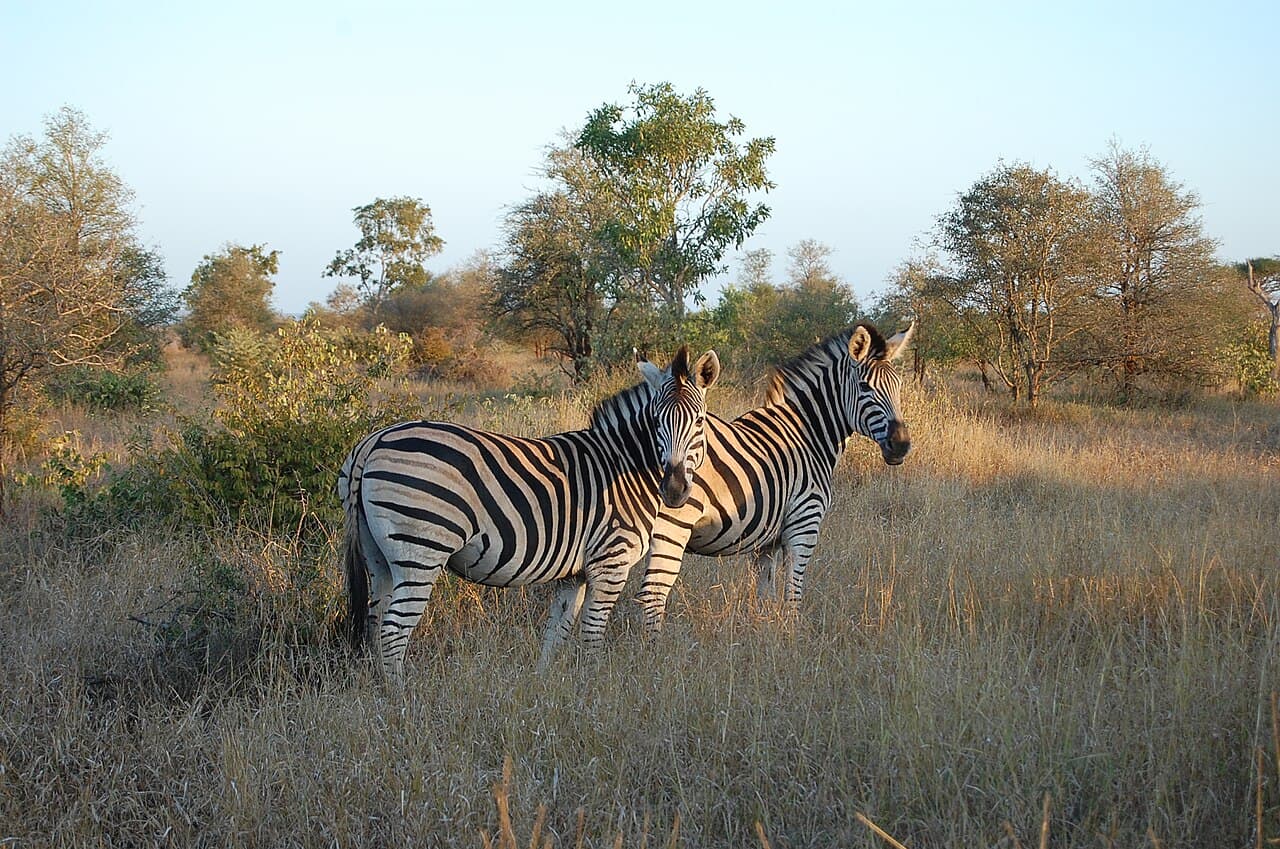
Kruger National Park
South Africa
Serengeti National Park
Kruger National Park
How do Serengeti National Park and Kruger National Park compare?
Africa's two flagship safari destinations, and the right choice almost always comes down to whether you want the keys to the car. Kruger lets you self-drive: a 2-million-hectare park with paved tar roads, rest camps with chalets and self-catering kitchens, and lions on the H4-1 between Skukuza and Lower Sabie often visible from your own rental SUV. The Serengeti does not — you fly in via Arusha or Seronera airstrip, you stay in a tented lodge, and you ride in a guided Land Cruiser with a spotter who has been doing this for 20 years. The Serengeti is bigger sky, bigger plains, the actual wildebeest migration on the move.
The economic gap is the loudest part of the comparison: Kruger runs around $200/day for a self-drive trip including a SANParks chalet and groceries from the camp shop, while Serengeti lodge-only safaris start at $600/day and quickly hit $1,500–2,500/day at the Singita and Asilia properties. Kruger wins on flexibility, repeat value, and the fact that South African wine and a braai pit come standard at every rest camp. Serengeti wins on density and drama — the calving season on the southern plains and the Mara River crossings are wildlife events on a scale Kruger can't match.
Kruger's dry winter (May–September) is the unambiguous best window — thinner bush, animals concentrated at waterholes, no malaria risk in the dry months. The Serengeti runs two peaks: January–February in the southern Ndutu plains for calving and predator action, and June–October in the central and northern corridors for the Mara crossings. The booking tip nobody tells first-timers about Kruger: reserve a chalet at Lower Sabie or Olifants 11 months out the day SANParks opens the window — the riverside units sell out in hours. For the Serengeti, lodge-only operators like Asilia and Nomad include the bush flights in their quoted rate; check that before comparing prices, because the flights alone are $400–600. Kruger if you want to drive your own safari, Serengeti if you want the migration.
💰 Budget
🛡️ Safety
Serengeti National Park
Serengeti National Park is extremely safe for visitors traveling with registered guides and reputable operators. The principal risks are wildlife-related if you ignore safety protocols, and health-related (malaria, sun, and dehydration). Crime is negligible inside the park. Tanzania itself is a stable country with a long history of safe tourism, though normal urban precautions apply in Arusha.
Kruger National Park
Kruger National Park itself is very safe when you follow the rules. The main risks are wildlife encounters (never leave your vehicle except at designated spots) and malaria. Outside the park, exercise normal South African safety precautions, especially around Johannesburg.
🌤️ Weather
Serengeti National Park
The Serengeti has a semi-arid climate with two wet seasons and two dry seasons, directly driving the Great Migration cycle. Temperatures are moderate year-round at this altitude (roughly 920-1,850 m), rarely exceeding 30°C or dropping below 15°C. The dry season from June through October is the most popular time to visit, but each season offers distinct wildlife experiences.
Kruger National Park
Kruger has a subtropical climate with hot, wet summers (October-March) and mild, dry winters (April-September). The dry winter season is generally considered best for game viewing as animals concentrate around water sources and vegetation is sparse, making them easier to spot.
🚇 Getting Around
Serengeti National Park
Inside Serengeti National Park, a closed or open-roof 4WD safari vehicle is the only practical and legal mode of transport. Self-drive is technically possible with your own 4WD but almost never attempted by foreign visitors due to road conditions and navigation challenges. The vast majority of visitors travel in operator-supplied Land Cruisers or Land Rovers.
Walkability: There is zero independent walkability inside Serengeti National Park. Walking safaris with armed rangers are offered only by a small number of licensed camps in adjacent private concessions. Inside the park, all movement between destinations must be by vehicle.
Kruger National Park
Kruger is one of the world's great self-drive safari destinations. The park has an extensive network of tar and gravel roads. Most visitors either self-drive or book guided game drives through SANParks or private lodges. There is no public transport within the park.
Walkability: Within rest camps, you can walk freely between accommodation, shops, restaurants, and facilities. Outside the fenced camps, you must stay in your vehicle unless at a designated picnic spot, bird hide, or on an organized walking safari.
📅 Best Time to Visit
Serengeti National Park
Jan–Feb, Jun–Oct
Peak travel window
Kruger National Park
May–Sep
Peak travel window
The Verdict
Choose Serengeti National Park if...
you want the world's most famous safari — the Great Migration, Mara River crossings, balloon dawns, and the Big Four (rhino is rare here)
Choose Kruger National Park if...
you want South Africa's flagship Big 5 park — lions, elephants, leopards, rhinos, buffalo across 2 million hectares — self-drive or luxury-lodge private-concession
Serengeti National Park
Kruger National Park
You might also compare
Serengeti National ParkvsKruger National Park
Try another