Quick Verdict
Pick Charleston for Husk and Lewis Barbecue dinners, Rainbow Row pastels, and peninsular harbor history. Pick Savannah if Spanish-moss live oaks, the 22 garden squares, and Forsyth Park mornings beat polish.
🏆 Charleston wins 73 OVR vs 71 · attribute matchup 2–2

Savannah
United States
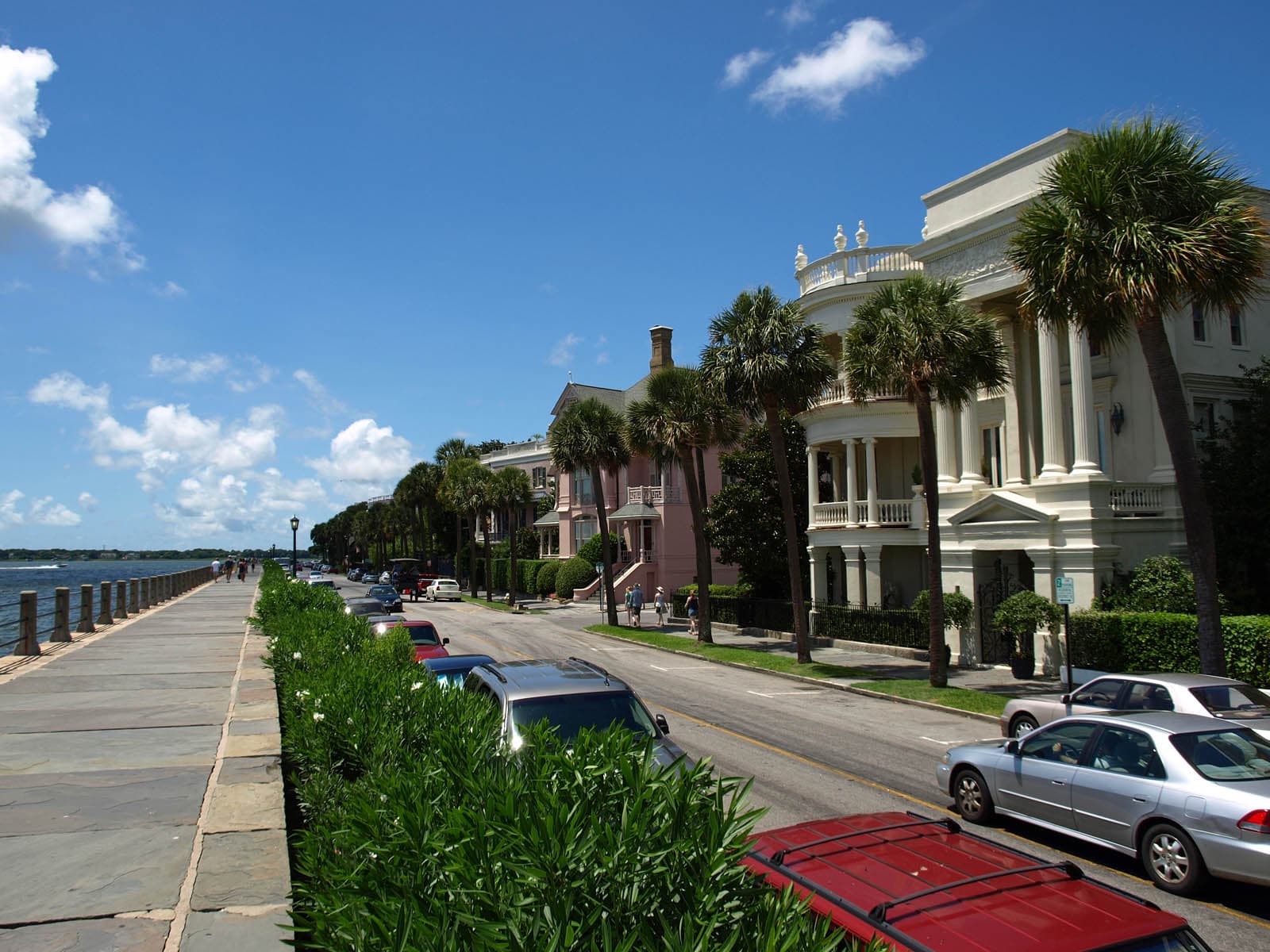
Charleston
United States
Savannah
Charleston
How do Savannah and Charleston compare?
The two prettiest small cities in the American South — and travelers really do flip a coin between them. Savannah leans atmospheric: Spanish moss draping live oaks, 22 garden squares laid out on a grid in 1733, ghost tours that thread the entire city, Forsyth Park's fountain, and a slower drawl. Charleston leans polished — Rainbow Row pastels, peninsular geography ringed by water, plantation history at Boone Hall and Magnolia, and the deepest food scene in the region (FIG, Husk, Chez Nous, Lewis Barbecue).
Charleston runs slightly higher at roughly $150/day mid-range against $130 for Savannah, mostly on accommodation — historic-district hotels in Charleston are the price floor. Charleston is the better pick for food and ambition; Savannah edges ahead on slow-walk atmosphere, value, and the sheer photogenic quality of every alley off Bull Street. Both are tied on walkability — they're among the most walkable small cities in the country.
Both peak the same windows: March through May and again October through November (avoid July–August humidity in either). They sit two hours apart on US-17, so a combo trip with three nights in each is the obvious move. Pro tip: book a Savannah inn on Forsyth Park or Madison Square — the morning walk through the squares with coffee is what makes Savannah land. In Charleston, base south of Calhoun on the peninsula and skip the Marriott-y hotels north of King Street.
💰 Budget
🛡️ Safety
Savannah
The historic district is generally safe during the day and into the evening, with a heavy tourist-police presence and well-lit main streets. Savannah has a higher violent-crime rate than Charleston by raw numbers, mostly concentrated in neighborhoods north and west of the historic district that tourists rarely visit. The most common visitor issues are car break-ins, aggressive panhandling near River Street, and overdoing it on to-go cups.
Charleston
The historic peninsula and the surrounding beach/barrier islands are very safe for visitors, with low violent crime and a heavy tourist-police presence downtown. Property crime (car break-ins, package theft) is the most common issue. Some outlying neighborhoods on the West Side and in North Charleston have higher crime rates but are not places most tourists end up.
🌤️ Weather
Savannah
Savannah has a humid subtropical climate — mild winters, long pollen-heavy springs, and notoriously muggy summers where the heat index regularly crosses 105°F. Hurricane season runs June 1 through November 30, with highest risk in August-September. Spring (March-May) and late autumn (October-November) are the clear sweet spots.
Charleston
Charleston has a humid subtropical climate — mild winters, long warm springs, and punishingly hot and humid summers. Hurricane season runs June through November with peak risk in August-September. Spring (March-May) and fall (October-November) are the sweet spots.
🚇 Getting Around
Savannah
Savannah's historic district is small, flat, and gorgeously walkable — the entire square grid is about 1 mile by 1.5 miles. The DOT (Downtown Transportation) shuttle runs for free through the historic district, which solves most in-town needs. Rideshare fills the gaps, and a rental car is worth it only if you're doing Tybee Island or the plantations. Bikes are a great option in the flat, shaded squares.
Walkability: The historic district is one of the most walkable neighborhoods in the American South — designed in 1733 as a pedestrian grid, flat, deeply shaded by live oaks, with a square to rest in every 2-3 blocks. The main hazards are uneven brick sidewalks and the cobblestones on River Street. Outside the historic district and Starland, the city becomes car-dependent fast.
Charleston
The historic peninsula is small — about 2 miles north-to-south at its widest — and extremely walkable. Charleston has very limited public transit for a US city: CARTA buses exist but run infrequently and cover downtown poorly for tourists. Most visitors walk everything downtown and rent a car or use Uber/Lyft for beaches, plantations, and the airport.
Walkability: Charleston's historic peninsula is one of the most walkable neighborhoods in the American South — flat, shaded by live oaks, well-maintained sidewalks (some brick and uneven), and tightly packed with destinations. Outside the peninsula, however, the metro is car-dependent and pedestrian infrastructure thins out fast.
📅 Best Time to Visit
Savannah
Mar–May, Oct–Nov
Peak travel window
Charleston
Mar–May, Oct–Nov
Peak travel window
The Verdict
Choose Savannah if...
you want Spanish-moss cobblestones, open-container historic squares, and low-country cuisine in America's most perfectly preserved colonial grid
Choose Charleston if...
you want pastel antebellum architecture, harbor-side history, modern Southern cuisine's spiritual home, and Gullah-Geechee heritage
Savannah
Charleston
You might also compare
SavannahvsCharleston
Try another