Quick Verdict
Pick Charleston for 250-year-old single-houses on Tradd Street, the Angel Oak, and Lewis Barbecue plus Husk anchoring modern Southern cooking. Pick Niagara Falls for Horseshoe's 168,000 cubic metres a minute, the Maid of the Mist since 1846, and Cave of the Winds boardwalks under the spray.
🏆 Niagara Falls wins 75 OVR vs 73 · attribute matchup 3–3

Niagara Falls
United States
Charleston
United States
Niagara Falls
Charleston
How do Niagara Falls and Charleston compare?
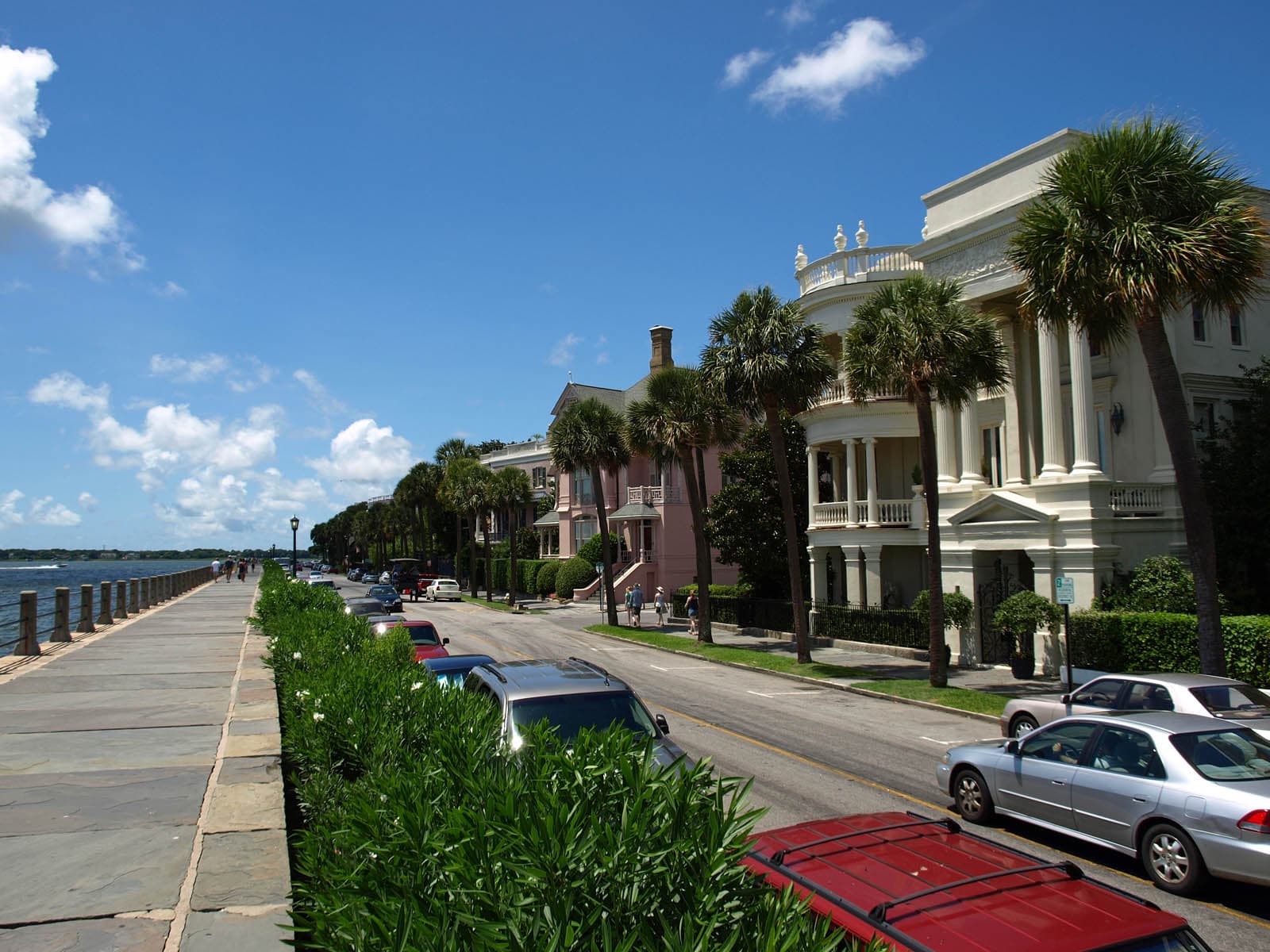
These are two American bucket-list pins that share almost nothing except the bucket itself. Charleston is a peninsular South Carolina colonial city built on rice and cotton wealth, with 250-year-old single-houses on Tradd Street, the Old Slave Mart Museum on Chalmers, the 400-year-old Angel Oak on John's Island, and the modern Southern food capital running from FIG to Husk to Lewis Barbecue. Niagara Falls is a 51-metre cataract straddling the US-Canada border — Horseshoe Falls thundering 168,000 cubic metres a minute over the lip, the Maid of the Mist boat into the spray running since 1846, the Cave of the Winds boardwalk under the American Falls, and a casino-and-souvenir town built around it.
There's no good direct route between them — you fly Charleston to Buffalo via Charlotte or Atlanta in about 4 hours and rent a car for the 30-minute Niagara drive, or fly into Toronto and cross the Rainbow Bridge with a passport in hand. Mid-range budgets are surprisingly close: Charleston runs $310/day, Niagara $200/day, but Niagara compresses into a 24-48 hour visit while Charleston earns three to four full nights of exploration. Charleston peaks March-May and October-November; Niagara peaks June-October when the falls boats are running and the Botanical Gardens are blooming. Winter Niagara is dramatic (partial freezes) but most attractions close down completely.
If you're picking one, the real question is whether you want a historic city week or a single-icon natural overnight. Pro tip: stay on the Canadian side of Niagara for the Horseshoe Falls views from your hotel window, and time the Maid of the Mist for the first 9am sailing before the bus tours arrive from Toronto and Buffalo. Pick Charleston for a multi-day history-and-food immersion in a walkable colonial city with plantation day trips. Pick Niagara Falls when you want the natural-spectacle photo, the boat ride into the spray, and a single overnight stop on the way to or from Toronto for a longer Canadian trip.
💰 Budget
🛡️ Safety
Niagara Falls
Niagara Falls (US side) has a higher crime rate than national averages — the city has struggled economically since the 1960s and downtown areas outside the immediate state park can be rough. The state park itself, the tourist core, and the Canadian side are very safe and heavily policed. Take standard urban precautions outside the park; the natural attraction itself is the safest part of town.
Charleston
The historic peninsula and the surrounding beach/barrier islands are very safe for visitors, with low violent crime and a heavy tourist-police presence downtown. Property crime (car break-ins, package theft) is the most common issue. Some outlying neighborhoods on the West Side and in North Charleston have higher crime rates but are not places most tourists end up.
🌤️ Weather
Niagara Falls
Niagara Falls has a humid continental climate moderated by the Great Lakes — cold snowy winters (lake-effect snow can be intense), warm humid summers, and brief shoulder seasons. The falls produce their own microclimate of mist that creates ice formations in winter and rainbows year-round. Summer is peak tourist season; winter has its own dramatic appeal with frozen falls.
Charleston
Charleston has a humid subtropical climate — mild winters, long warm springs, and punishingly hot and humid summers. Hurricane season runs June through November with peak risk in August-September. Spring (March-May) and fall (October-November) are the sweet spots.
🚇 Getting Around
Niagara Falls
The Niagara Falls State Park is highly walkable — Prospect Point, Goat Island, Terrapin Point, Three Sisters Islands, and the Cave of the Winds entry are all within a 20-minute walk of each other. Beyond the park, you need transport: Lyft/Uber, the Discover Niagara Shuttle (free), or a rental car. Crossing to the Canadian side is a 10-minute walk across Rainbow Bridge (bring passport).
Walkability: The Niagara Falls State Park itself is very walkable — all major attractions within 1 km of each other. Walking across Rainbow Bridge to the Canadian side takes 10 minutes plus customs (15-60 min wait depending on time/season). The wider city of Niagara Falls NY is less pedestrian-friendly outside the immediate tourist zone.
Charleston
The historic peninsula is small — about 2 miles north-to-south at its widest — and extremely walkable. Charleston has very limited public transit for a US city: CARTA buses exist but run infrequently and cover downtown poorly for tourists. Most visitors walk everything downtown and rent a car or use Uber/Lyft for beaches, plantations, and the airport.
Walkability: Charleston's historic peninsula is one of the most walkable neighborhoods in the American South — flat, shaded by live oaks, well-maintained sidewalks (some brick and uneven), and tightly packed with destinations. Outside the peninsula, however, the metro is car-dependent and pedestrian infrastructure thins out fast.
📅 Best Time to Visit
Niagara Falls
May–Oct
Peak travel window
Charleston
Mar–May, Oct–Nov
Peak travel window
The Verdict
Choose Niagara Falls if...
you want one of the world's most accessible natural icons — Horseshoe Falls thundering on the Canadian side, the Maid of the Mist (oldest tourist attraction in North America), Cave of the Winds boardwalk, and an easy drive from Buffalo or Toronto
Choose Charleston if...
you want pastel antebellum architecture, harbor-side history, modern Southern cuisine's spiritual home, and Gullah-Geechee heritage
Niagara Falls
Charleston
You might also compare
Niagara FallsvsCharleston
Try another