Quick Verdict
Pick Charleston for Rainbow Row pastels, Husk fried chicken, and harbor-walk Battery promenades. Pick New Orleans if Frenchmen Street jazz nightly, Cafe du Monde beignets, and St. Charles streetcar dinners at Commander's Palace fit better.
🏆 Charleston wins 73 OVR vs 71 · attribute matchup 5–3

New Orleans
United States
Charleston
United States
New Orleans
Charleston
How do New Orleans and Charleston compare?
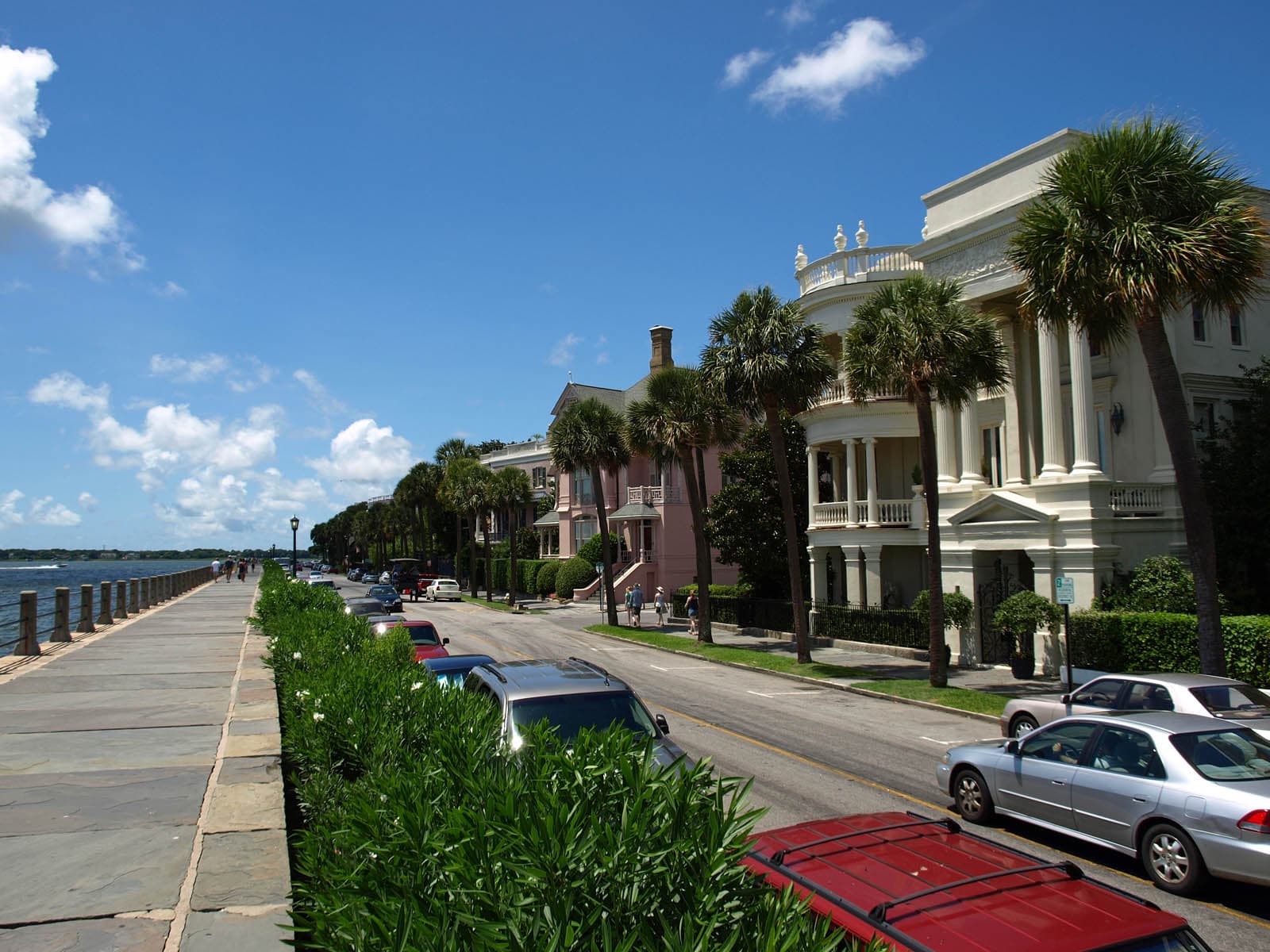
The American-South city question — old-world charm or jazz-fueled chaos. Charleston is the polished colonial heritage city — pastel single-houses on Rainbow Row, the Battery's promenade along the harbor, $40 fried chicken at Husk, Sunday brunches that go three hours, plantation visits to Magnolia and Boone Hall (now framing slavery rather than romanticizing it), and a "best small city in America" ranking it's held in Travel + Leisure for years. New Orleans is the Caribbean-influenced jazz capital — the French Quarter's wrought-iron balconies, beignets at Café du Monde, Frenchmen Street live jazz nightly, gumbo and jambalaya, $5 hand grenades on Bourbon Street, second-line parades that materialize on weekends, and a calendar built around Mardi Gras.
Charleston is more expensive than expected — Charleston $50 hostel / $140 mid / $300 luxe, New Orleans $40 / $120 / $280. Safety around 85 in Charleston (very high for a Southern US city), 60 in New Orleans (the French Quarter is tourist-policed and fine; the Marigny is fine; outside the tourist core requires care after dark). Charleston wins on food at the high end (Husk, FIG, Halls Chophouse), historic preservation, and beach proximity (Sullivan's, Folly). New Orleans wins on music (no contest — live jazz is cradle-to-grave here), Cajun-Creole food at every level, and pure character.
Both peak March-May and September-November (avoid June-August humidity in either; New Orleans hurricane season runs June-November). Pro tip: in New Orleans, get out of the French Quarter for at least one full day — the Garden District streetcar ride down St. Charles Avenue, plus dinner at Commander's Palace, is the more authentic side of the city. In Charleston, do the City Market in the morning, then walk south to Rainbow Row and the Battery. Pick Charleston for refinement, food, and a polished Southern-heritage trip. Pick New Orleans for music, character, and a city that's still genuinely unlike anywhere else in America.
💰 Budget
🛡️ Safety
New Orleans
New Orleans has higher violent crime rates than most US tourist cities, but crime is heavily concentrated in specific neighborhoods. Tourist areas (French Quarter during day, Garden District, Warehouse District, Frenchmen Street) are generally safe. Pickpocketing and phone theft on Bourbon Street are common. After-hours crime spikes outside these zones.
Charleston
The historic peninsula and the surrounding beach/barrier islands are very safe for visitors, with low violent crime and a heavy tourist-police presence downtown. Property crime (car break-ins, package theft) is the most common issue. Some outlying neighborhoods on the West Side and in North Charleston have higher crime rates but are not places most tourists end up.
🌤️ Weather
New Orleans
New Orleans has a humid subtropical climate — hot and sticky for most of the year, with short, mild winters. Summer humidity is famously oppressive, and afternoon thunderstorms are near-daily from June through September. Hurricane season runs June through November.
Charleston
Charleston has a humid subtropical climate — mild winters, long warm springs, and punishingly hot and humid summers. Hurricane season runs June through November with peak risk in August-September. Spring (March-May) and fall (October-November) are the sweet spots.
🚇 Getting Around
New Orleans
New Orleans is compact and walkable in its tourist core. The Regional Transit Authority (RTA) runs historic streetcars, buses, and ferries. A Jazzy Pass offers unlimited rides. Driving downtown is difficult — streets are narrow, parking is scarce and expensive, and the one-way grid is confusing.
Walkability: The French Quarter, Marigny, CBD, and Warehouse District are highly walkable. The Garden District, Bywater, and Mid-City are walkable once you've arrived, but you'll want a streetcar or rideshare to get between districts. Sidewalks in the Quarter can be uneven — watch for broken flagstones, especially at night.
Charleston
The historic peninsula is small — about 2 miles north-to-south at its widest — and extremely walkable. Charleston has very limited public transit for a US city: CARTA buses exist but run infrequently and cover downtown poorly for tourists. Most visitors walk everything downtown and rent a car or use Uber/Lyft for beaches, plantations, and the airport.
Walkability: Charleston's historic peninsula is one of the most walkable neighborhoods in the American South — flat, shaded by live oaks, well-maintained sidewalks (some brick and uneven), and tightly packed with destinations. Outside the peninsula, however, the metro is car-dependent and pedestrian infrastructure thins out fast.
📅 Best Time to Visit
New Orleans
Feb–Apr, Oct–Nov
Peak travel window
Charleston
Mar–May, Oct–Nov
Peak travel window
The Verdict
Choose New Orleans if...
you want America's most culturally distinct city — Creole and Cajun food, jazz on Frenchmen Street, and French Quarter magic
Choose Charleston if...
you want pastel antebellum architecture, harbor-side history, modern Southern cuisine's spiritual home, and Gullah-Geechee heritage
New Orleans
Charleston
You might also compare
New OrleansvsCharleston
Try another