Quick Verdict
Pick Charleston for piazza sweet tea, Husk Lowcountry boil, and Battery marsh-grass sunsets. Pick Nashville for Hattie B's hot chicken, Broadway pedal taverns, and live country starting at 11 AM on three corners.
🏆 Charleston wins 73 OVR vs 71 · attribute matchup 4–4

Nashville
United States
Charleston
United States
Nashville
Charleston
How do Nashville and Charleston compare?
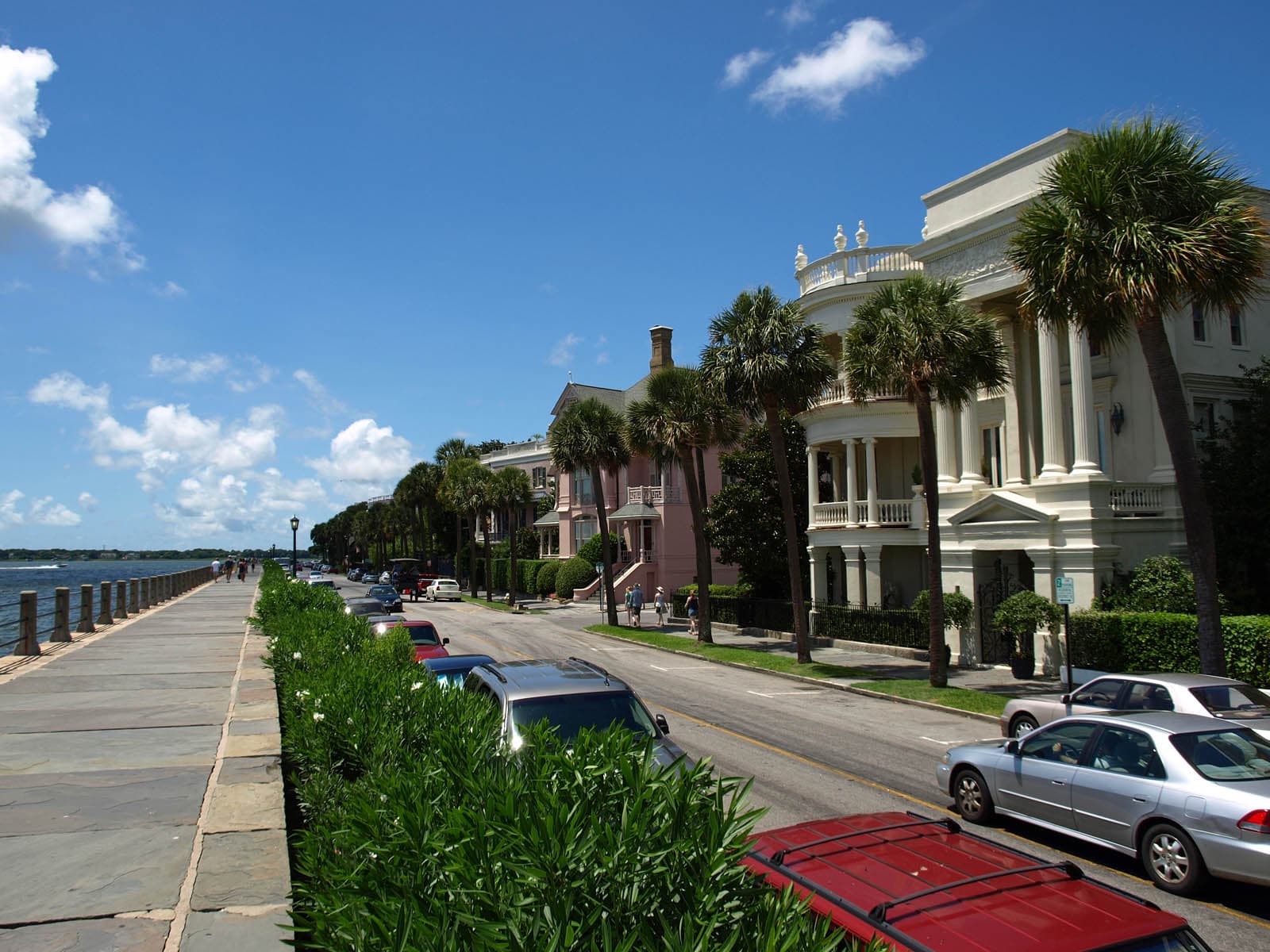
This is the southern weekend dilemma travelers actually argue about: Charleston's harbor-light elegance against Nashville's honky-tonk roar. Charleston gives you cobblestones under a horse-and-carriage clop, Lowcountry boil at Husk, sweet tea on a piazza, and tide-pulled marsh grass on the Battery at sunset. Nashville hits the opposite note — pedal taverns rolling down Broadway, hot chicken at Hattie B's that genuinely makes you sweat, neon guitar signs on every block, and live country starting at 11 AM in three different bars on the same corner.
Mid-range budgets are identical at around $150/day, so the choice is purely about the trip you want. Charleston wins on history, refinement, and food at the chef-driven level — its restaurant scene punches well above the city's size. Nashville wins on music, energy, and the kind of bachelorette-party density that's either fun or unbearable depending on your tolerance. Charleston feels safer for late-evening walks; Nashville's downtown is loud and crowded but well-policed inside the tourist core.
Both cities peak March through May and again September through early November — sticky July and August are skippable in either. The Charleston–Nashville nonstop runs about 1 hour 25 minutes on Southwest or American, usually $140–180 round-trip. The drive is 8 hours through Atlanta, doable but not scenic. Pro tip: book Nashville hotels Sunday through Thursday — weekend rates spike 60% on Friday for the bachelorette wave. Pick Charleston if you want porches, oysters, and a slower clock; pick Nashville when you want music every night and a city that doesn't whisper.
💰 Budget
🛡️ Safety
Nashville
Nashville is generally safe for visitors in the tourist corridor — Broadway, The Gulch, 12 South, East Nashville, Germantown, and the Vanderbilt/Centennial Park area all feel comfortable day and night. Property crime (car break-ins) is the dominant concern. Broadway weekend nights can get rowdy, with the occasional fight spilling out of bars. Gun violence is a citywide issue but rarely touches tourist zones.
Charleston
The historic peninsula and the surrounding beach/barrier islands are very safe for visitors, with low violent crime and a heavy tourist-police presence downtown. Property crime (car break-ins, package theft) is the most common issue. Some outlying neighborhoods on the West Side and in North Charleston have higher crime rates but are not places most tourists end up.
🌤️ Weather
Nashville
Nashville has a humid subtropical climate with hot, humid summers, mild winters, and severe storm potential year-round. Spring (April-May) and fall (September-October) are when the city is at its best. July and August are brutal. Winter is mild but brings occasional ice and rare snow. Middle Tennessee sits firmly in the southern end of "Tornado Alley."
Charleston
Charleston has a humid subtropical climate — mild winters, long warm springs, and punishingly hot and humid summers. Hurricane season runs June through November with peak risk in August-September. Spring (March-May) and fall (October-November) are the sweet spots.
🚇 Getting Around
Nashville
Nashville is a car-and-rideshare city. WeGo Public Transit runs buses but the network is limited and slow — few visitors use it. There is no subway or light rail. Downtown, The Gulch, Germantown, 12 South, and East Nashville are each individually walkable, but connecting them means rideshare. The city lacks the dense transit grid of northeastern cities.
Walkability: Nashville is walkable within individual neighborhoods but not between them. Downtown (Broadway, The District, Germantown) is the most walkable core. 12 South runs six walkable blocks of restaurants and shops. East Nashville centers on 5 Points and the Eastland strip. Connecting any of these usually requires rideshare or driving — sidewalks get patchy and stroads (wide commercial roads) make long walks unpleasant.
Charleston
The historic peninsula is small — about 2 miles north-to-south at its widest — and extremely walkable. Charleston has very limited public transit for a US city: CARTA buses exist but run infrequently and cover downtown poorly for tourists. Most visitors walk everything downtown and rent a car or use Uber/Lyft for beaches, plantations, and the airport.
Walkability: Charleston's historic peninsula is one of the most walkable neighborhoods in the American South — flat, shaded by live oaks, well-maintained sidewalks (some brick and uneven), and tightly packed with destinations. Outside the peninsula, however, the metro is car-dependent and pedestrian infrastructure thins out fast.
📅 Best Time to Visit
Nashville
Apr–May, Sep–Oct
Peak travel window
Charleston
Mar–May, Oct–Nov
Peak travel window
The Verdict
Choose Nashville if...
you want nonstop country music, hot chicken, songwriter listening rooms, and honky-tonk chaos on Broadway
Choose Charleston if...
you want pastel antebellum architecture, harbor-side history, modern Southern cuisine's spiritual home, and Gullah-Geechee heritage
Nashville
Charleston
You might also compare
NashvillevsCharleston
Try another