Quick Verdict
Pick Charleston for Rainbow Row pastels, Battery harbor mansions, and Husk-FIG-Ordinary low-country dinners. Pick Napa Valley if 400 wineries on SR-29, French Laundry tasting menus, and Yountville balloon dawns are the splurge.
🏆 Napa Valley wins 78 OVR vs 73 · attribute matchup 4–3

Napa Valley
United States
Charleston
United States
Napa Valley
Charleston
How do Napa Valley and Charleston compare?
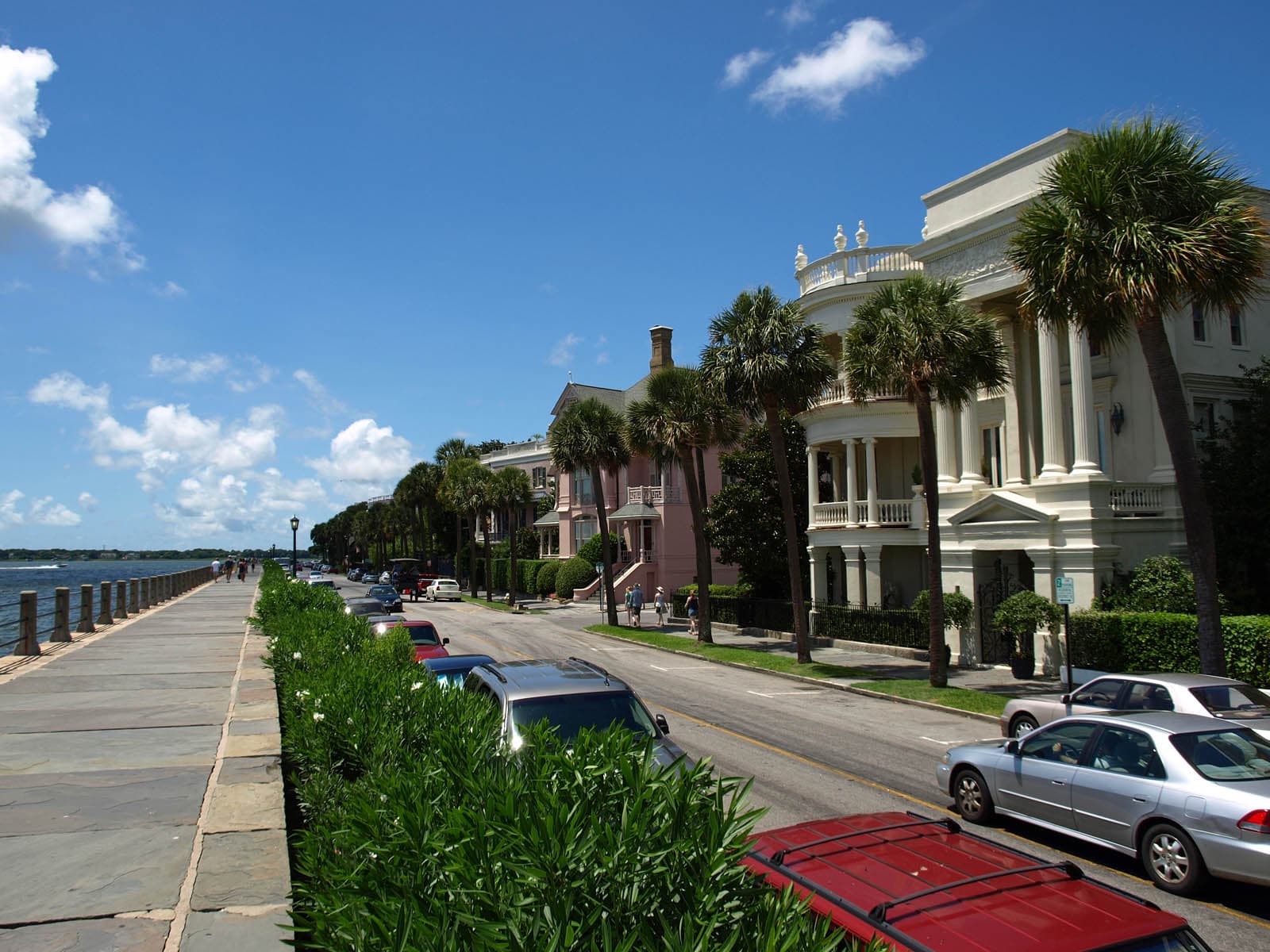
Two American splurge weekends with completely different addictions. Charleston is the southern coastal city — pastel Rainbow Row on East Bay Street, Battery mansions facing Fort Sumter across the harbor, horse carriages clopping past wrought-iron piazzas, and a restaurant scene (Husk, FIG, The Ordinary) that effectively wrote modern low-country cooking. Napa Valley is the 30-mile-long Northern California wine corridor an hour north of San Francisco, where 400-plus wineries line the SR-29 Wine Route and the parallel Silverado Trail, sunrise hot-air balloons drift over the vineyards, and Cabernet Sauvignon dominates roughly 55% of plantings thanks to marine fog through the Petaluma Gap and a 40-degree diurnal swing.
Mid-range budgets land remarkably close — about $310 a day in Charleston versus $320 in Napa — and both demand a rental car for the full picture, since neither has meaningful public transit beyond the historic core. Charleston rewards walking the historic peninsula and driving out to Magnolia Plantation, Boone Hall, or Sullivan's Island for the day; Napa rewards designating a driver or booking the vintage Pullman cars of the Napa Valley Wine Train for the 36-mile, 18 mph gourmet round-trip. Charleston peaks March-May and October-November to dodge the brutal August humidity; Napa peaks April-June and September-October when crush season livens up the tasting rooms and the heat backs off the upper valley toward Calistoga and Yountville.
There is no sensible same-trip combo — these are 2,500 miles apart and serve completely different cravings. Pro tip: book Charleston tasting menus four weeks ahead via Resy and reserve at least three Napa wineries by appointment (most no longer accept walk-ins, especially the cult Cabernet houses on Pritchard Hill and Howell Mountain). Pick Charleston for cobblestone history, harbor views over Fort Sumter, low-country shrimp and grits, and Gullah-Geechee heritage at McLeod Plantation. Pick Napa Valley for vineyard slow-mornings, Michelin tasting menus at The French Laundry or Single Thread, hot-air balloon dawns over Yountville, and a week where the wine itself is the entire agenda.
💰 Budget
🛡️ Safety
Napa Valley
Napa Valley is a very safe rural-tourism destination. Violent crime is extremely rare; the most realistic risks are wine-tourism-specific: drunk driving, slip-and-falls in tasting rooms, and seasonal wildfire smoke. The valley's narrow two-lane Highway 29 and Silverado Trail see frequent crashes during weekend evenings — DUI checkpoints are common.
Charleston
The historic peninsula and the surrounding beach/barrier islands are very safe for visitors, with low violent crime and a heavy tourist-police presence downtown. Property crime (car break-ins, package theft) is the most common issue. Some outlying neighborhoods on the West Side and in North Charleston have higher crime rates but are not places most tourists end up.
🌤️ Weather
Napa Valley
Napa Valley has a Mediterranean climate — warm dry summers and cool wet winters. The valley's south-to-north orientation and 30°F+ diurnal swing (warm days, cool fog-cooled nights) is exactly what makes it ideal Cabernet country. Summer days reach 85–95°F (29–35°C); evenings cool to the low 50s°F. Winter is mild but rainy, with January-February rainfall the heaviest. Wildfire smoke is a real seasonal risk in late summer/early fall (August–October).
Charleston
Charleston has a humid subtropical climate — mild winters, long warm springs, and punishingly hot and humid summers. Hurricane season runs June through November with peak risk in August-September. Spring (March-May) and fall (October-November) are the sweet spots.
🚇 Getting Around
Napa Valley
Napa Valley is not designed for public transit — a rental car or hired driver is essentially required for any wine tasting itinerary. Wineries are spread along the 30-mile Highway 29 / Silverado Trail corridor and almost none are walkable from each other or from accommodation. Wine tour services solve the drink-and-drive problem and are the recommended option for tasting itineraries.
Walkability: The four main towns (Napa, Yountville, St. Helena, Calistoga) are each compact and walkable for restaurants, tasting rooms in town, and shopping. Wineries and inter-town travel require a car or driver. Yountville is the most walkable for fine dining (French Laundry, Bouchon all within 0.5 miles).
Charleston
The historic peninsula is small — about 2 miles north-to-south at its widest — and extremely walkable. Charleston has very limited public transit for a US city: CARTA buses exist but run infrequently and cover downtown poorly for tourists. Most visitors walk everything downtown and rent a car or use Uber/Lyft for beaches, plantations, and the airport.
Walkability: Charleston's historic peninsula is one of the most walkable neighborhoods in the American South — flat, shaded by live oaks, well-maintained sidewalks (some brick and uneven), and tightly packed with destinations. Outside the peninsula, however, the metro is car-dependent and pedestrian infrastructure thins out fast.
📅 Best Time to Visit
Napa Valley
Apr–Jun, Sep–Oct
Peak travel window
Charleston
Mar–May, Oct–Nov
Peak travel window
The Verdict
Choose Napa Valley if...
you want California's premier wine country an hour from San Francisco — 400+ wineries on the SR-29 wine route, the Napa Valley Wine Train, sunrise hot-air balloons, Michelin-starred restaurants, and Cabernet Sauvignon at the source
Choose Charleston if...
you want pastel antebellum architecture, harbor-side history, modern Southern cuisine's spiritual home, and Gullah-Geechee heritage
Napa Valley
Charleston
You might also compare
Napa ValleyvsCharleston
Try another