Quick Verdict
Pick Charleston for Rainbow Row, McLeod Plantation Gullah-Geechee tours, and Husk-and-FIG Lowcountry dining. Pick Key West if Hemingway's six-toed cats, Mallory Square sunset rituals, and Kermit's key lime pie win.
🏆 Key West wins 74 OVR vs 73 · attribute matchup 4–3

Key West
United States
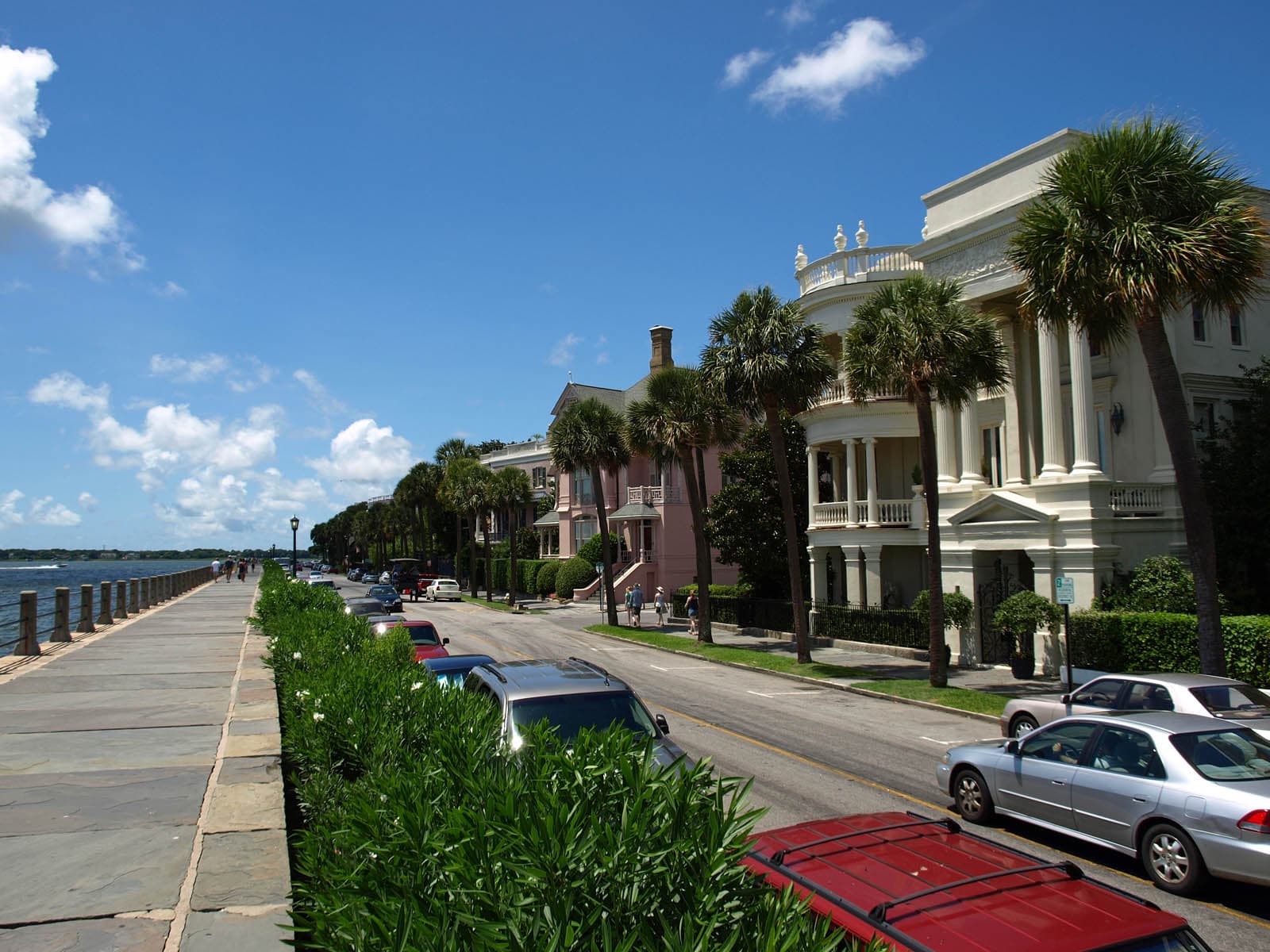
Charleston
United States
Key West
Charleston
How do Key West and Charleston compare?
Both are southern coastal escapes Americans drive to rather than fly between, but the choice is really colonial-history walkability versus tropical end-of-the-road. Charleston is 90 minutes from CHS airport into a peninsula of 1740s pastel townhouses, and you can do the entire historic district on foot in two days, from Rainbow Row down East Bay to the Battery. Key West is the southernmost US point at the end of a 113-mile causeway from Miami, a 4-hour drive over 42 bridges or a 70-minute prop flight to EYW, and the entire 4-mile-by-2-mile island runs on bicycles and golf carts with no real reason to rent a car.
Mid-range budgets land surprisingly close at 310 dollars a day in Charleston versus 350 in Key West, and both peak in opposite shoulders: Charleston in March through May and October through November when humidity drops, Key West December through April when the rest of the country is freezing. Food scenes split clean: Charleston has Husk, FIG, The Ordinary and a defining grip on modern low-country cooking, while Key West is conch fritters at B.O.'s Fish Wagon, key lime pie at Kermit's, and the Green Parrot at 5 p.m. Hurricane season runs August through October for both and is worth respecting.
Pro tip: if you have one southeast week and want both, fly into Charleston for three nights, then pick up a one-way to Miami and drive the Overseas Highway to Key West for three more — the Seven Mile Bridge alone justifies the rental car. In Charleston book Husk a month ahead and do the Gullah-Geechee tour at McLeod Plantation, not the prettier antebellum sites. In Key West stay on Old Town's Truman Annex side and skip the cruise-ship strip on Duval after 3 p.m. Pick Charleston for layered American history, modern southern dining, and walkable architecture; pick Key West for tropical sunset rituals, Hemingway's six-toed cats, and a slower drink-on-the-porch tempo.
💰 Budget
🛡️ Safety
Key West
Key West is generally a safe small city for tourists. Old Town is well-policed and busy; the main risks are alcohol-related incidents (Duval Street late-night), aggressive scooter rentals on busy streets, sun exposure, and the seasonal hurricane risk. Petty theft from rental scooters and unattended beach belongings does occur. The island's relaxed, party-oriented culture means common sense is your best safety tool.
Charleston
The historic peninsula and the surrounding beach/barrier islands are very safe for visitors, with low violent crime and a heavy tourist-police presence downtown. Property crime (car break-ins, package theft) is the most common issue. Some outlying neighborhoods on the West Side and in North Charleston have higher crime rates but are not places most tourists end up.
🌤️ Weather
Key West
Key West has a tropical savanna climate moderated by surrounding water — temperatures stay narrowly between 18°C (winter low) and 32°C (summer high) all year. There is a wet season (May–October, with afternoon thunderstorms and hurricane risk) and a dry season (November–April, which is also peak tourist season). Hurricane risk is real — Hurricane Irma in 2017 caused major damage to the Lower Keys.
Charleston
Charleston has a humid subtropical climate — mild winters, long warm springs, and punishingly hot and humid summers. Hurricane season runs June through November with peak risk in August-September. Spring (March-May) and fall (October-November) are the sweet spots.
🚇 Getting Around
Key West
Key West Old Town is small (about 2 miles by 4 miles total island) and the historic centre is almost entirely walkable. Bicycles are the favourite local transport — flat terrain, dedicated bike lanes, and bike racks everywhere. The Duval Loop bus is free; Uber and Lyft operate but are more expensive than in Miami. Renting a car for the week is unnecessary unless you're visiting other Keys; parking in Old Town is scarce and expensive ($4-8/hour, $25/day in city lots).
Walkability: Old Town is one of the most walkable small-city centres in America — flat, compact, shaded by tropical canopy, and full of architectural detail. The full Duval Street walk takes 25 minutes end to end. Bicycles extend the comfortable range to the entire island.
Charleston
The historic peninsula is small — about 2 miles north-to-south at its widest — and extremely walkable. Charleston has very limited public transit for a US city: CARTA buses exist but run infrequently and cover downtown poorly for tourists. Most visitors walk everything downtown and rent a car or use Uber/Lyft for beaches, plantations, and the airport.
Walkability: Charleston's historic peninsula is one of the most walkable neighborhoods in the American South — flat, shaded by live oaks, well-maintained sidewalks (some brick and uneven), and tightly packed with destinations. Outside the peninsula, however, the metro is car-dependent and pedestrian infrastructure thins out fast.
📅 Best Time to Visit
Key West
Jan–Apr, Dec
Peak travel window
Charleston
Mar–May, Oct–Nov
Peak travel window
The Verdict
Choose Key West if...
you want a quirky, walkable, southernmost-US tropical destination with Hemingway history, the Conch Republic, the best key lime pie, and a daily sunset ritual
Choose Charleston if...
you want pastel antebellum architecture, harbor-side history, modern Southern cuisine's spiritual home, and Gullah-Geechee heritage
Key West
Charleston
You might also compare
Key WestvsCharleston
Try another