Quick Verdict
Pick Guilin if Li River karst cruises, Yangshuo bamboo rafts, and beer-fish riverside dinners beat alpine altitude. Pick Lijiang if Old Town stone-water alleys, Jade Dragon Snow Mountain views, and Naxi heritage music trump river karst.
🏆 Guilin wins 74 OVR vs 73 · attribute matchup 5–2
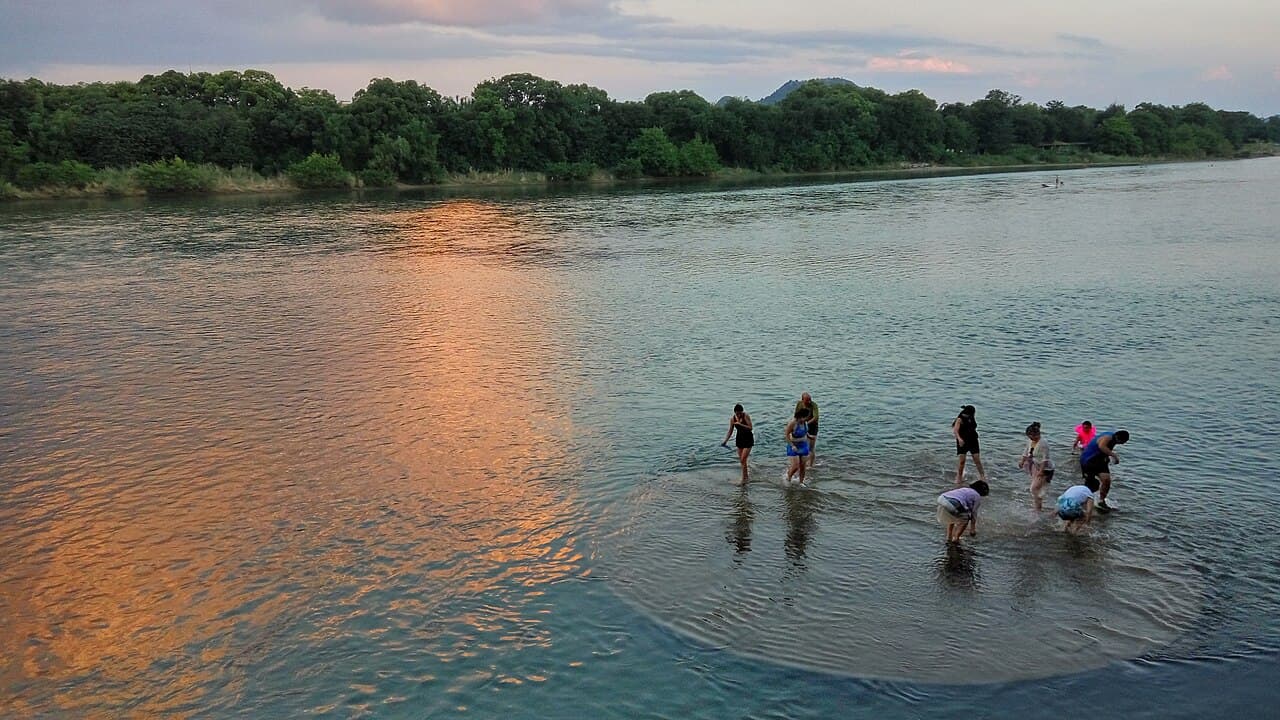
Guilin
China

Lijiang
China
Guilin
Lijiang
How do Guilin and Lijiang compare?
Two of southern China's most photographed mountain landscapes, both UNESCO-territory, both worth the trip — but Guilin is karst-and-rivers and Lijiang is Naxi-heritage-and-snow-capped-peaks. Guilin is the Li River cruise from Guilin to Yangshuo passing limestone karst pinnacles that match the 20-yuan note, $10 beer-fish lunches in West Street, and bamboo rafts drifting through reflections at sunset. Lijiang is the UNESCO Old Town's stone-channel streams running beside every alley (the first thing you notice is the water), Naxi musicians performing 800-year-old Dongjing court music at evening concerts, and the Jade Dragon Snow Mountain rising 5,596m on the northern horizon.
Mid-range pricing runs $95 in Guilin versus $100 in Lijiang — both are real mid-tier Chinese pricing, with Lijiang's tourist-oriented old town pushing rates slightly. A Li River bamboo-raft fish dinner in Yangshuo runs $15 with mountains framing the river; a Naxi sānzhāng (three-course set) in Lijiang runs $20 with yak-butter tea. Guilin wins on nature access (5 vs 5 but with rivers as the focal axis), nightlife (3 vs 3 but Yangshuo's West Street is more international), and tourist infrastructure. Lijiang wins on cultural-site preservation (UNESCO since 1997 — the Old Town's stone bridges and water channels are intact), walkability, and access to Tiger Leaping Gorge plus Tibetan-culture Shangri-La 4 hours north.
Time both for April–May or September–November — Lijiang's altitude (2,400m) makes May–June pleasant but afternoon thunderstorms common; Guilin is hot and sticky in July at 33°C. China's high-speed rail runs Guilin to Kunming in 5 hours, then Kunming-Lijiang by overnight train or 50-minute flight. Pick Guilin if Li River karst cruises, Yangshuo bamboo rafts, and beer-fish dinners beat Naxi music. Pick Lijiang if Old Town stone-water alleys, Jade Dragon Snow Mountain views, and Naxi heritage trump river karst.
💰 Budget
🛡️ Safety
Guilin
Guilin and Yangshuo are very safe destinations for tourists — violent crime is extremely rare in China, the local police presence is high, and the city is well-organized. The main risks are tourist scams (overpriced taxi tours, fake products, "tea ceremony" scams targeted at solo travellers), road accidents on bicycle and scooter rentals, and altitude/heat-related issues at the rice terraces in summer.
Lijiang
Lijiang is very safe by global standards — violent crime against tourists is essentially unheard of, China's low overall crime rate applies fully here, and the Old Town is well-lit and policed. The genuine concerns are altitude (2,400 m base, 4,500 m+ if you go up Jade Dragon Mountain), aggressive sales tactics in some shops, occasional taxi/transport scams, and the need to navigate the Great Firewall for connectivity.
🌤️ Weather
Guilin
Guilin has a humid subtropical climate — hot, humid summers (May-September), mild damp winters (December-February), and pleasant transitional seasons. The misty conditions that produce the iconic karst photographs are most common in March-May (spring fog) and after rainfall. Year-round destination but spring (April-May) and autumn (September-November) are optimal.
Lijiang
Lijiang sits at 2,400 m elevation in subtropical highlands — strong sun, cool air year-round, and a clear monsoon pattern (dry October-May, wet June-September). Daytime temperatures are mild (15-25°C) most of the year; nights are cold (often near 0°C in winter) due to the altitude. UV at 2,400 m is intense even in winter; sunburn is the most common visitor complaint.
🚇 Getting Around
Guilin
Guilin has a city bus network and Didi (Chinese ride-hailing app, equivalent to Uber). Yangshuo is small and best explored by bicycle or electric scooter. High-speed rail connects Guilin to Beijing, Shanghai, Hong Kong, and Guangzhou; the Guilin North railway station is 12 km from city centre. The Li River cruise from Guilin to Yangshuo is itself the main inter-city transport for tourists.
Walkability: Yangshuo town is highly walkable — West Street, the Li River pier, and most accommodation are within 10 minutes on foot. Guilin city centre (Elephant Trunk Hill, Two Rivers Four Lakes scenic area) is walkable but the city is sprawling and reaching outlying attractions like Reed Flute Cave requires transport.
Lijiang
Lijiang is small enough that walking covers the Old Town and surrounding areas. For trips to Shuhe, Baisha, the airport, or Jade Dragon Mountain, taxis and DiDi are inexpensive and convenient. There is a public bus network but most tourists use car-hire or organised tours for sights outside the city. The new high-speed rail to Shangri-La and Kunming has dramatically improved regional connectivity.
Walkability: The Old Town itself is 100% walkable and one of the most pedestrian-friendly heritage cores in China. The cobblestones can be slippery when wet and uneven everywhere; bring sturdy shoes. Going beyond the Old Town generally requires a taxi or bus.
📅 Best Time to Visit
Guilin
Apr–May, Sep–Nov
Peak travel window
Lijiang
Mar–May, Sep–Nov
Peak travel window
The Verdict
Choose Guilin if...
you want China's most photographed karst landscape — the Li River cruise, ancient cormorant fishing, the Longji rice terraces, and a more relaxed pace than the megacities
Choose Lijiang if...
you want a UNESCO-listed Naxi heritage town with snow-capped sacred mountain views, the Tea Horse Road history, and easy access to Tiger Leaping Gorge and Tibetan-cultural Shangri-La
Lijiang
You might also compare
GuilinvsLijiang
Try another