🏆 Cartagena wins 71 OVR vs 68 · attribute matchup 4–4

Cancún
Mexico
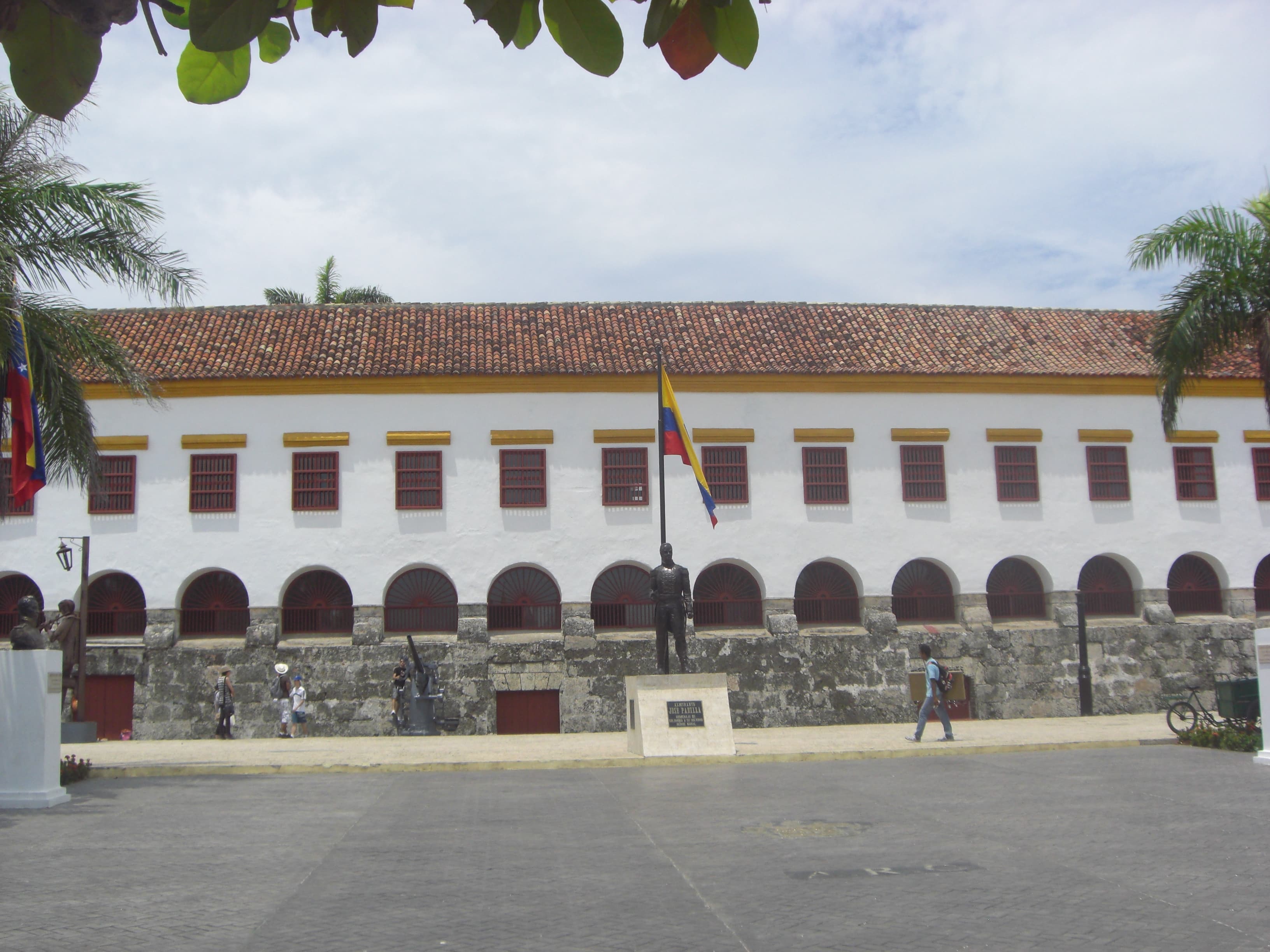
Cartagena
Colombia
Cancún
Cartagena
How do Cancún and Cartagena compare?
You came to the Caribbean for turquoise water and warmth, and now the question is which version — Mexico's Yucatán or Colombia's walled colonial coast. Cancún is engineered pleasure: 23km of Hotel Zone barrier-island sand, all-inclusive economics, and a day-trip ecosystem that includes Chichén Itzá, Tulum's cliff-top ruins, and the cenotes — those crystal Maya sinkholes that are the most extraordinary swims in the Americas. Cartagena is the inverse pitch. Inside the 16th-century walls, bougainvillea spills over balconies, vallenato drifts out of Getsemaní bars, and ceviche arrives on Plaza Santo Domingo with the sun going pink behind the cathedral.
Cancún runs $130/day mid-range against Cartagena's $110 — close on paper, but the spend feels different. Cancún is resort-and-restaurant pricing inside the Hotel Zone; Cartagena is a real walled-city economy with $60 boutique guesthouses inside the walls and $12 ceviche dinners. Cancún wins on beach quality (the water genuinely does look fake), on infrastructure, and on the Maya day-trip variety. Cartagena wins on atmosphere — the walled city is one of the most photogenic colonial centers in the Americas — and on cultural depth that no resort strip can replicate.
Avianca and Wingo fly Cancún to Cartagena direct in 3 hours for $220 round-trip, a clean pairing that lets you do beach-and-ruins followed by colonial-and-Caribbean without backtracking. Pro tip: do Cartagena second — the walled city is more rewarding when you've banked a beach week and your appetite for cobblestones is high. December through April is the dry-season window for both. Pick Cancún for turquoise water, Maya ruins, and the easiest beach-week logistics in Latin America; pick Cartagena for the most beautiful colonial city on the Caribbean coast and a deeper cultural week.
💰 Budget
🛡️ Safety
Cancún
The Hotel Zone (Zona Hotelera) and tourist areas are significantly safer than downtown Cancún, where cartel-related crime affects certain neighborhoods. Most visitors have a completely trouble-free trip. The key is staying in tourist areas, using Uber or hotel taxis, and exercising the same awareness you would in any large resort city.
Cartagena
Cartagena is generally safe for tourists in the Walled City, Getsemani, and Bocagrande, but petty crime like pickpocketing and phone snatching is common. Scams targeting tourists are widespread. Use common sense, especially after dark.
🌤️ Weather
Cancún
Cancún has a tropical climate with warm temperatures year-round and high humidity. Two main seasons: dry (November–April) and wet (May–October). Hurricane season runs June–November, with September being the most active month. Even in the wet season, rain is usually an afternoon event, leaving mornings sunny.
Cartagena
Cartagena has a tropical climate with consistently hot temperatures year-round. There are two main seasons: dry (December-April) and wet (May-November). Humidity is always high, typically 80-90%. Air conditioning is your friend.
🚇 Getting Around
Cancún
The Hotel Zone is a 23km strip with a single main boulevard (Kukulcán) running its length. Public buses (Route R-1) run the entire length of the Hotel Zone for MXN 12. Uber works throughout the city. Taxis are ubiquitous but do not use meters — negotiate before boarding. The ADO bus terminal connects Cancún to the rest of the Yucatán Peninsula.
Walkability: The Hotel Zone is not walkable end-to-end — the strip is 23km long and the heat makes long walks impractical. Individual beach and hotel clusters are walkable within a few blocks. Downtown Cancún's market and restaurant areas around Mercado 28 and Parque Las Palapas are pleasant on foot in the evening.
Cartagena
Cartagena is a compact city. The Walled City, Getsemani, and Bocagrande are all walkable (though hot). Taxis are the main transport mode — meters are not used, so agree on fares in advance. Uber works but drivers may be cautious about pickups. TransCaribe rapid buses serve broader routes.
Walkability: The Walled City and Getsemani are highly walkable but extremely hot during midday (10 AM - 3 PM). The walls themselves are a spectacular walking route, especially at sunset. Bocagrande has a beachfront promenade. Wear comfortable shoes — cobblestones are uneven. Carry water at all times.
The Verdict
Choose Cancún if...
you want Caribbean turquoise water as a base for Chichén Itzá (a New Seven Wonder), Isla Mujeres, cenote swimming, and Tulum ruins — use the Hotel Zone beach as a launchpad, not a destination
Choose Cartagena if...
you want a UNESCO walled city on the Caribbean — salsa courtyards, Getsemaní street art, Rosario Islands, and Colombia's friendliest coast
Cartagena