Quick Verdict
Pick Charleston for sweetgrass weavers near the City Market, harbor oyster roasts, and 25-minute foot crossings. Pick Washington, D.C. if the Mall's Lincoln-to-Capitol stretch, free Smithsonian halls, and Ben's Chili Bowl half-smokes win out.
🏆 Washington, D.C. wins 75 OVR vs 73 · attribute matchup 4–3

Washington, D.C.
United States
Charleston
United States
Washington, D.C.
Charleston
How do Washington, D.C. and Charleston compare?
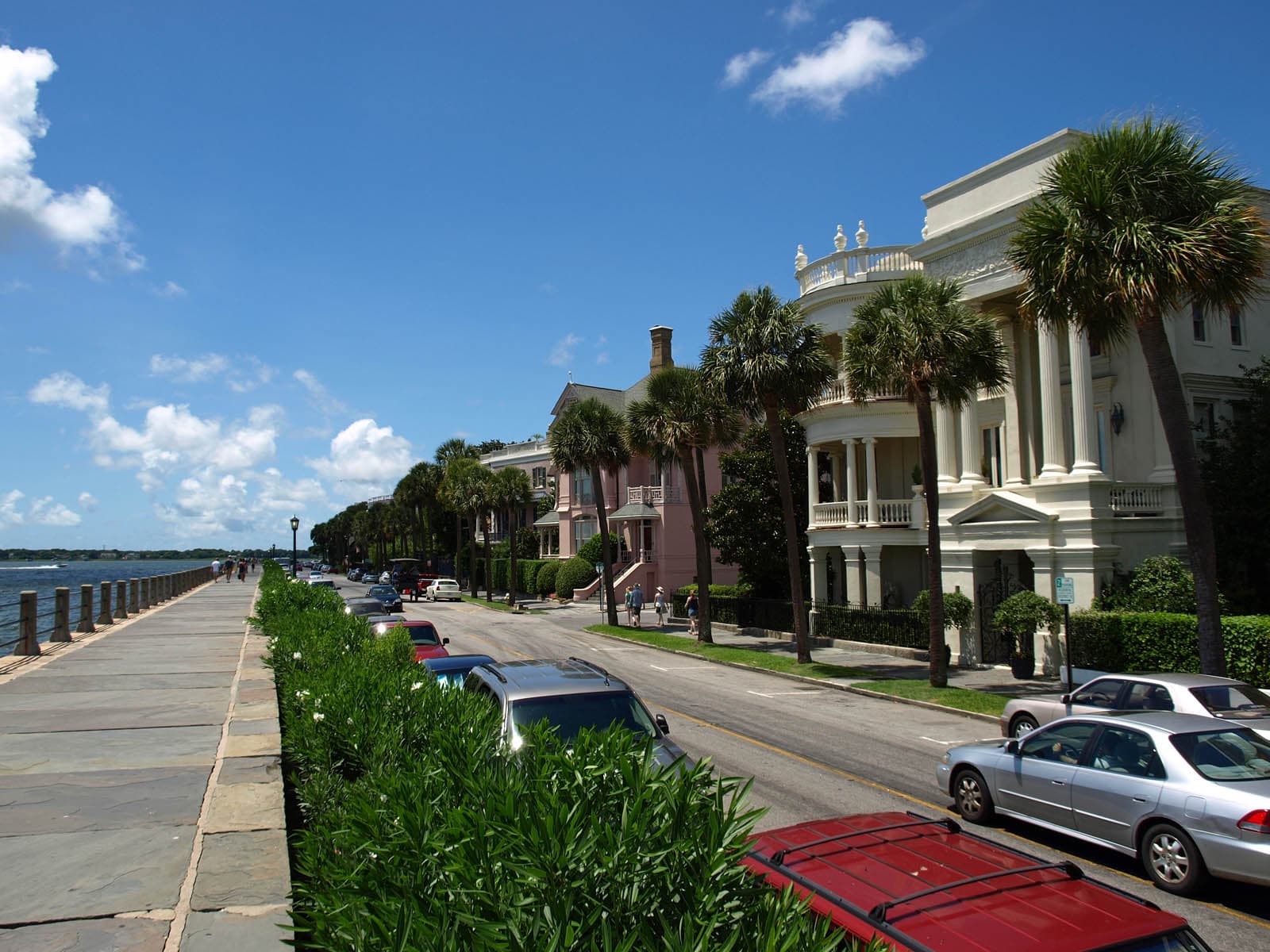
Charleston versus Washington DC is the East Coast history weekend with very different temperatures. Charleston is intimate: pastel facades, oyster roasts on the harbor, sweetgrass weavers near the City Market, and the slow theater of a horse-drawn carriage clopping past Rainbow Row. DC is monumental — the Mall stretching from the Capitol to the Lincoln Memorial, Smithsonian museums that are free and genuinely world-class, half-smokes at Ben's Chili Bowl on U Street, and a power-lunch density that makes every K Street corner feel staged.
DC runs slightly higher at $160/day mid-range against $150 in Charleston, but the Smithsonian's zero entry fee swings real value back. Charleston wins on walkability, food at the chef-driven level, and the simple pleasure of a city you can cross in 25 minutes on foot. DC wins on museums, monuments, and the breadth of free things to do — you can fill four days without paying admission anywhere. Both feel safe in their tourist cores; DC's outer neighborhoods reward standard urban awareness.
Charleston peaks March–May and October–November; DC is best late March through May (cherry blossoms hit early April) and again September through early November. The Charleston–DCA nonstop runs 1 hour 35 minutes on American or JetBlue, usually $140–200 round-trip. Amtrak's 9-hour route via Richmond exists but isn't worth it. Pro tip: book DC hotels in Crystal City or Alexandria over downtown — Metro access is identical and rates run 30% lower. Pick Charleston for porches, oysters, and a Southern slow-down; pick Washington when you want monuments, museums, and the weight of national history.
💰 Budget
🛡️ Safety
Washington, D.C.
Tourist areas of DC — the National Mall, Capitol Hill, Downtown, Georgetown, Dupont Circle, and Foggy Bottom — are generally safe during the day and well into the evening. Like any major US city, DC has neighborhoods with higher crime, mostly in parts of Southeast and Northeast that tourists rarely visit. Petty theft, car break-ins, and occasional phone snatching are the main concerns.
Charleston
The historic peninsula and the surrounding beach/barrier islands are very safe for visitors, with low violent crime and a heavy tourist-police presence downtown. Property crime (car break-ins, package theft) is the most common issue. Some outlying neighborhoods on the West Side and in North Charleston have higher crime rates but are not places most tourists end up.
🌤️ Weather
Washington, D.C.
Washington, DC has a humid subtropical climate with four distinct seasons. Summers are famously hot and sticky (the city was built on reclaimed swampland), while winters are cold but rarely extreme. Spring and fall are glorious and are the best times to visit.
Charleston
Charleston has a humid subtropical climate — mild winters, long warm springs, and punishingly hot and humid summers. Hurricane season runs June through November with peak risk in August-September. Spring (March-May) and fall (October-November) are the sweet spots.
🚇 Getting Around
Washington, D.C.
DC has an excellent public transit system run by WMATA (Washington Metropolitan Area Transit Authority). The Metro (subway) and Metrobus cover the city and much of the Maryland and Virginia suburbs. A SmarTrip card (or contactless phone tap) works across all Metro, bus, and Capital Bikeshare. Driving downtown is frustrating and parking is very expensive — transit or walking is the way to go.
Walkability: Central DC is one of the most walkable cities in the US, with wide sidewalks, a clear street grid, and short blocks. The National Mall itself is longer than it looks on maps (roughly 3 km end to end), so plan accordingly. Georgetown and Capitol Hill are especially pleasant on foot, though some DC hills can be steep.
Charleston
The historic peninsula is small — about 2 miles north-to-south at its widest — and extremely walkable. Charleston has very limited public transit for a US city: CARTA buses exist but run infrequently and cover downtown poorly for tourists. Most visitors walk everything downtown and rent a car or use Uber/Lyft for beaches, plantations, and the airport.
Walkability: Charleston's historic peninsula is one of the most walkable neighborhoods in the American South — flat, shaded by live oaks, well-maintained sidewalks (some brick and uneven), and tightly packed with destinations. Outside the peninsula, however, the metro is car-dependent and pedestrian infrastructure thins out fast.
📅 Best Time to Visit
Washington, D.C.
Mar–May, Sep–Oct
Peak travel window
Charleston
Mar–May, Oct–Nov
Peak travel window
The Verdict
Choose Washington, D.C. if...
you want world-class museums (all free), iconic monuments, Metro convenience, and four seasons of American political history
Choose Charleston if...
you want pastel antebellum architecture, harbor-side history, modern Southern cuisine's spiritual home, and Gullah-Geechee heritage
Washington, D.C.
Charleston
You might also compare
Washington, D.C.vsCharleston
Try another