Quick Verdict
Pick Milwaukee if Calatrava Art Museum mornings, Lakefront brewery tours, and Mader's pork-shank dinners beat $260 food-cart weekends. Pick Portland if Powell's bookstore afternoons, food-cart pod lunches, and Forest Park trail runs beat $180 Lake Michigan weekends.
The real difference is price
These two play in different price tiers: Milwaukee runs roughly 44% cheaper day to day ($180 vs $260 per day mid-range). Start with your budget — everything else on this page is secondary to that gap.
Can't pick? Visit both.
Build a trip that includes Milwaukee and Portland, with complementary stops we'll suggest.
🏆 Portland wins 74 OVR vs 70 · attribute matchup 1–4
Keep exploring

Milwaukee
United States
Portland
United States
Milwaukee
Portland
How do Milwaukee and Portland compare?
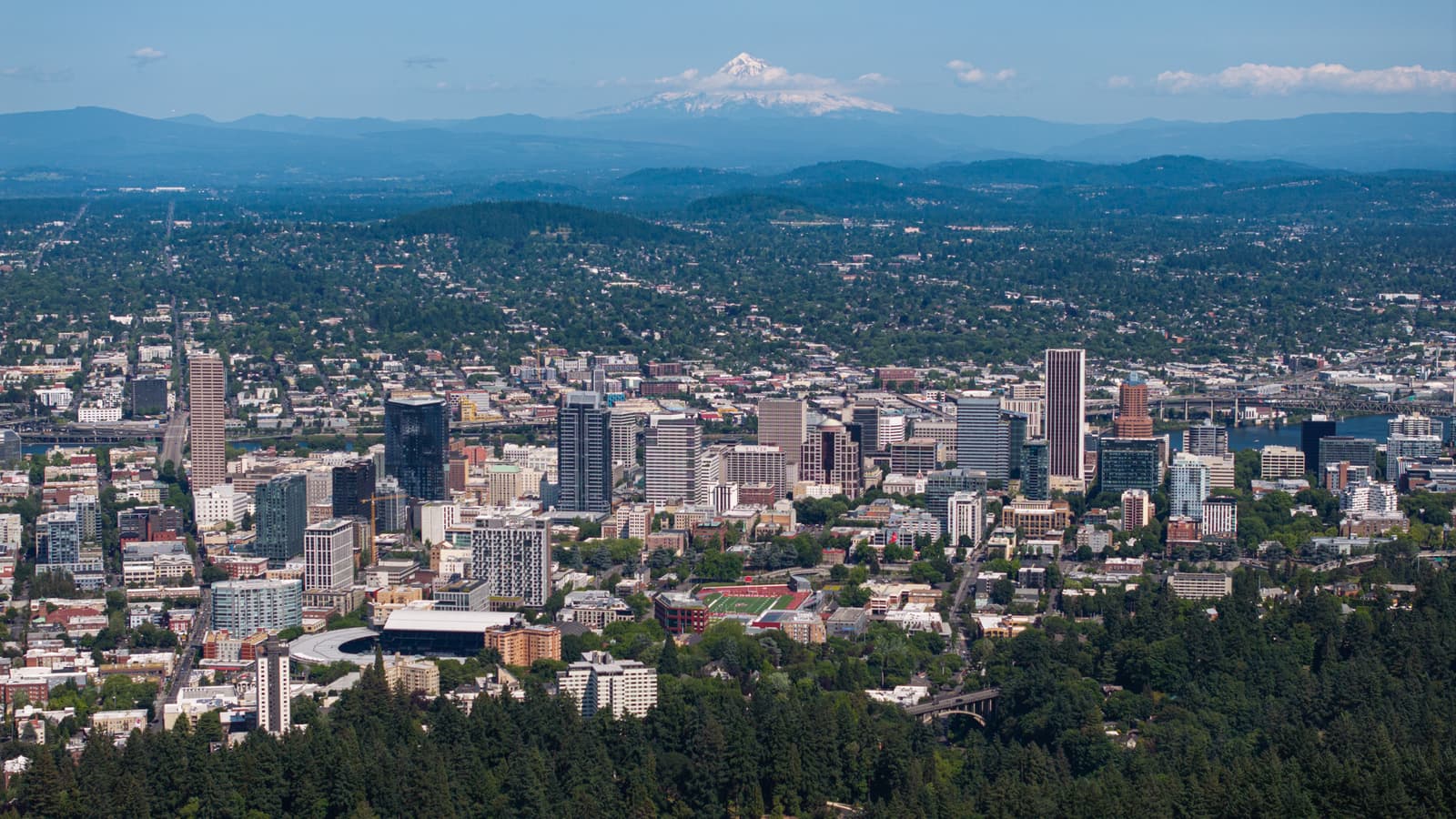
Milwaukee and Portland are both Pacific-and-Great-Lakes mid-sized cities with strong craft-beer reputations, but the surrounding city couldn't feel more different. Milwaukee is German-immigrant brewing heritage — Lakefront Brewery's $14 tour, the Calatrava-designed Milwaukee Art Museum's wing-tipped pavilion, Bradford Beach on summer weekends, and a 90-minute drive to Chicago. Portland is the Pacific Northwest weird-keep-it-local capital — Powell's City of Books taking up an entire city block, Voodoo Doughnut's pink boxes, the food-cart pods on every other downtown corner, and Forest Park's 5,200 acres inside city limits.
Cost gap is real: $180 mid-range Milwaukee vs $260 Portland — and Portland's lack of state sales tax saves you 6-8% on every purchase, partially offsetting the gap. Milwaukee's $90 budget day covers a Calatrava entry ($22), a Lakefront tour, and a Mader's German pork-shank dinner. Portland's $115 covers a Powell's afternoon (free), a food-cart lunch ($10), a Stumptown coffee, and a Multnomah Falls drive (also free). Portland wins on walkability (5 vs 3), food scene (5 vs 4), nature (5 vs 4), and on no-sales-tax shopping. Milwaukee wins on cost.
Practical move: pick one — 2,000 miles apart. Milwaukee's window is June-September, with Summerfest (late June-early July) as the headline music festival. Portland peaks June-September; winter is grey and wet but mild (40°F). Pick Milwaukee if Calatrava Art Museum mornings, Lakefront brewery tours, and Mader's pork-shank dinners beat $260 food-cart weekends. Pick Portland if Powell's bookstore afternoons, food-cart pod lunches, and Forest Park trail runs beat Lake Michigan beach days.
💰 Budget
🛡️ Safety
Milwaukee
Milwaukee's overall crime statistics are above the US average (the city has high homicide and violent-crime rates concentrated in specific north-side and west-side zip codes) — but the tourist-frequented areas (Downtown, Third Ward, East Side, Bay View, Lakefront) are safe day and night with normal precautions. Areas to enjoy: Third Ward, Downtown, East Side (along Brady Street and Prospect Ave), Bay View along KK, the lakefront from Bradford Beach to Discovery World, the Pabst Brewery District. Areas to skip after dark unless visiting a specific destination: Sherman Park, parts of the north side (north of North Avenue, west of MLK Drive), and parts of the west side (west of 35th Street between Capitol and North). The bigger risks for visitors are weather (winter cold, ice, summer thunderstorms), driving in snow, and standard urban property crime.
Portland
Portland is generally safe for tourists but the city has genuinely struggled since 2020. Downtown and Old Town lost considerable foot traffic, and visible homelessness and open drug use are more apparent than in most American cities. West side neighborhoods (Pearl, Nob Hill/NW 23rd, Washington Park) and most east side neighborhoods (Hawthorne, Division, Alberta, Mississippi) feel comfortable day and night. Downtown is improving in 2025-2026 but still patchy after dark.
🌤️ Weather
Milwaukee
Milwaukee has a humid continental climate moderated dramatically by Lake Michigan — summers warm and humid (around 23–28°C), winters very cold with significant lake-effect snow, springs cool with steady rain, autumns crisp and beautiful. The lake adds 5–10°F to temperatures within a mile of shore in winter (warmer) and subtracts the same in summer (cooler). Best time to visit is June–September.
Portland
Portland has a cool marine climate — famously rainy, but not in the way visitors expect. The rain is a persistent drizzle, not heavy downpours. Portland actually receives less annual rainfall (about 36 inches) than New York or Houston, but it is spread over 150+ rainy days from October through May. Summers (July through September) are gloriously dry, sunny, and warm. Winter brings occasional snow that typically melts within a day or two.
🚇 Getting Around
Milwaukee
Milwaukee is a moderately walkable city by US Midwest standards — Downtown, Third Ward, East Side, and Bay View are all walkable individually and connected by short rideshare rides. The Milwaukee Streetcar (The Hop) is free and runs a small downtown loop; otherwise transit is bus-based. Renting a car is necessary only for day trips outside the metro; most visitors can manage without a car for 2–3 day stays.
Walkability: Milwaukee scores moderately on walkability — the city core is genuinely walkable (Downtown / Third Ward / East Side / Bay View), but distances between neighborhoods make the streetcar and rideshare practical complements. Skip the rental car if staying central for under 4 days.
Portland
Portland has the most useful public transit of any city its size on the West Coast. MAX light rail (5 lines) connects the airport, downtown, and key suburbs. The Portland Streetcar loops through downtown, the Pearl, and east side neighborhoods. TriMet buses fill in the gaps. Within individual neighborhoods — Pearl, Hawthorne, Alberta, Mississippi, NW 23rd — walking is the right answer. Portland is also one of the best US cycling cities with protected lanes and a cyclists-first culture.
Walkability: Portland is one of the most walkable large cities in the American West — grid-patterned, flat on the east side, and most interesting neighborhoods (Pearl, NW 23rd, Hawthorne, Division, Alberta, Mississippi, Belmont) have dense commercial strips. Downtown blocks are short (only 200 ft) which makes walking feel quicker. Expect rain 9 months of the year — a good waterproof shell is more useful than an umbrella in the Portland wind.
📅 Best Time to Visit
Milwaukee
Jun–Sep
Peak travel window
Portland
Jun–Sep
Peak travel window
The Verdict
Choose Milwaukee if...
You want a Great Lakes summer city with German beer-hall culture, lakefront beaches, the Harley museum, and Chicago next door — at half Chicago's price.
Choose Portland if...
you want craft beer everywhere, no sales tax, food carts, Powell's Books, and the Cascades plus Coast at the doorstep
Milwaukee
Portland
Frequently asked
Is Milwaukee or Portland cheaper?
Milwaukee is cheaper on average. A mid-range day in Milwaukee costs about $180 vs $260 in Portland, so Milwaukee saves you roughly $80 per day compared to Portland.
Is Milwaukee or Portland safer?
Portland scores higher on our safety index (62/100 vs 55/100). Portland is generally safe for tourists but the city has genuinely struggled since 2020.
Which has better weather, Milwaukee or Portland?
Portland has the more temperate climate year-round. Portland has a cool marine climate — famously rainy, but not in the way visitors expect. The rain is a persistent drizzle, not heavy downpours. Portland actually receives less annual rainfall (about 36 inches) than New York or Houston, but it is spread over 150+ rainy days from October through May. Summers (July through September) are gloriously dry, sunny, and warm. Winter brings occasional snow that typically melts within a day or two.
When is the best time to visit Milwaukee vs Portland?
Milwaukee peaks in Jun–Sep. Portland peaks in Jun–Sep. Both peak in Jun–Sep, so a single trip pairs them naturally.
How long is the flight from Milwaukee to Portland?
Roughly 3h 50m on a direct flight (about 2,760 km / 1,714 mi). One-way fares typically run $250-700 depending on season and how far in advance you book.
How do daily costs in Milwaukee and Portland compare?
In Milwaukee: budget ~$80-120/day, mid-range ~$160-280/day, luxury ~$450-1100/day. In Portland: budget ~$90-140/day, mid-range ~$200-320/day, luxury ~$500+/day.
You might also compare
MilwaukeevsPortland
Try another